The Key to Value
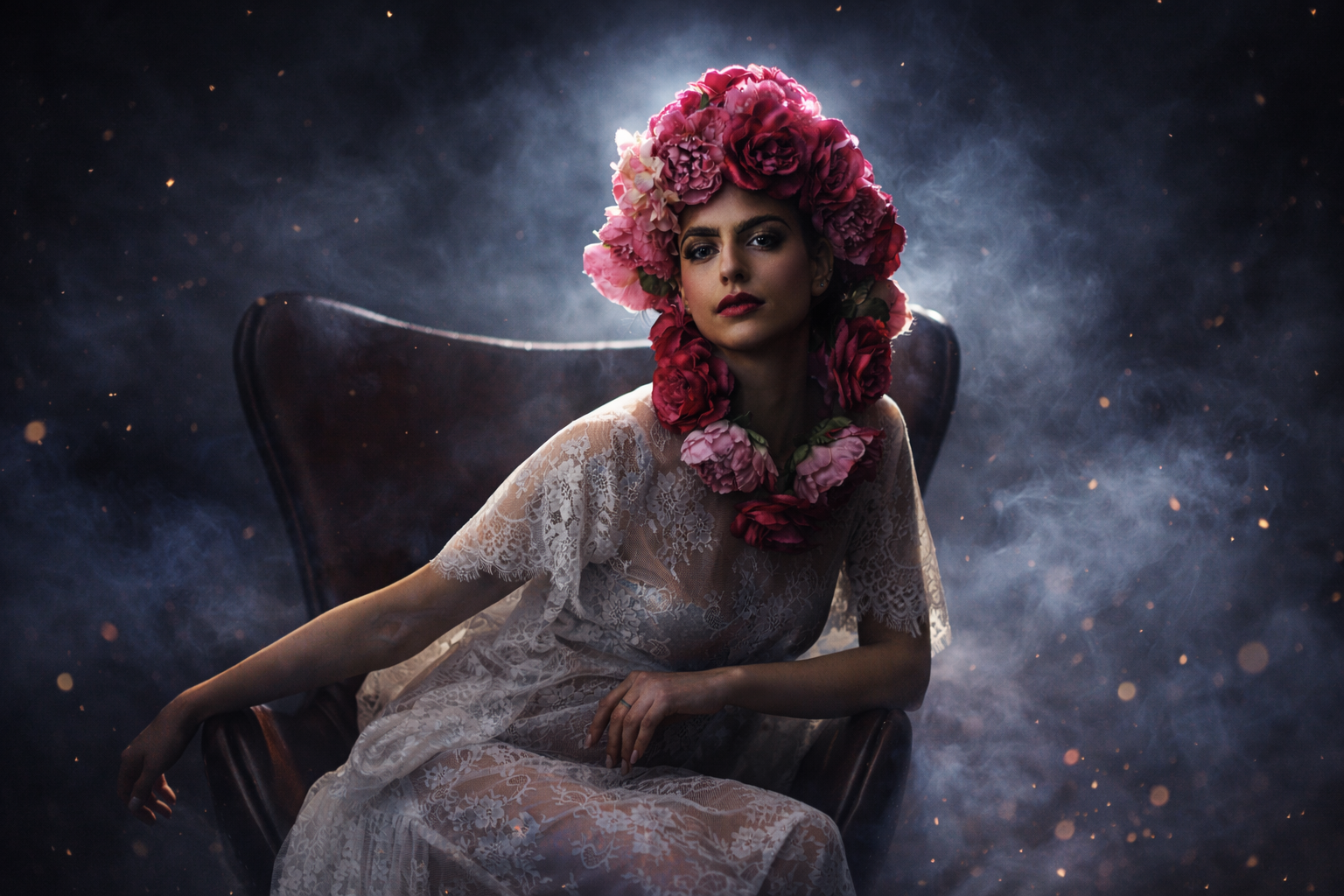
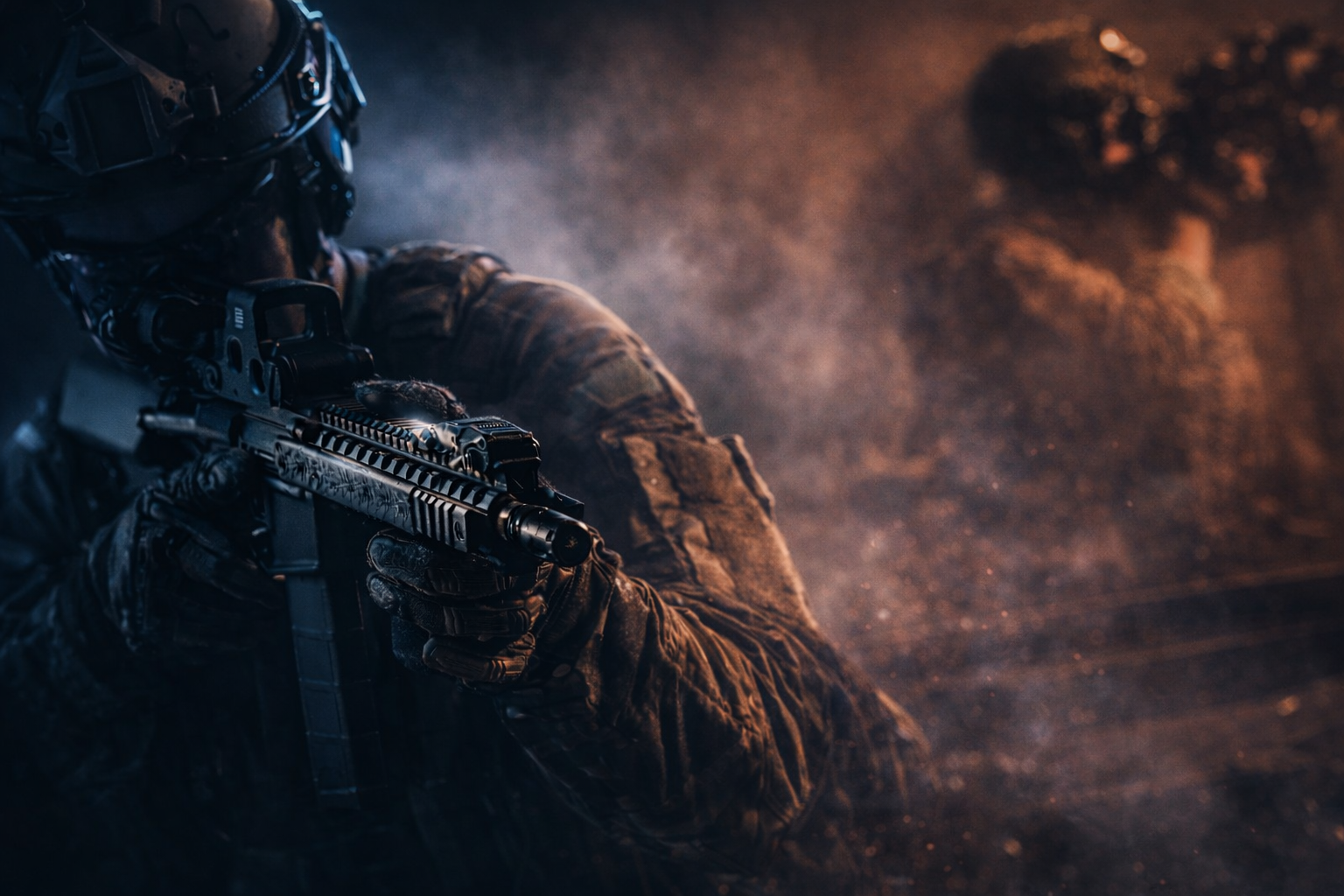
An image that looks expensive doesn't start in post-production but much earlier, in the pre-production phase. Here, the fundamental intent is shaped, and decisions are made about how the output will be perceived. The quality and value of the image are based on precisely defined parameters such as light, composition, and space.
Image construction involves careful planning and preparation of all elements. Light is not just a random accessory but a key tool that significantly affects the perception of the image. Every shadow and every reflection must have its place and meaning. The space in which the image takes place is not just a backdrop. It is an integral part that contributes to the overall impression and value.

Composition also plays a crucial role. It is the architecture of the image that determines its dynamics and tension. Through the layering of individual elements, it is possible to create an image that is not only aesthetically appealing but also rich in meaning. This way, it is possible to achieve not only visual quality but also an inner sense that the viewer subconsciously recognizes.
Light as a Tool, Not an Accessory
Light is one of the most powerful tools available to a production studio. Its control and proper use can transform an ordinary scene into a masterpiece. In professional production, light is never left to chance. It is carefully planned, directed, and modulated to create the desired atmosphere and depth.

Through sophisticated use of light, one can achieve not only technical quality but also emotional intensity. Light can highlight textures, shapes, and details that would otherwise remain hidden. It can also help define space and add drama, significantly contributing to the overall value of the image.
Moreover, the correct use of light can influence the perception of time and place, which is another aspect that adds value. Light can simulate different times of day or create the illusion of a specific environment, allowing the viewer to experience the image on a deeper level.

The Importance of Layering
Layering is a technique that allows production studios to add more levels of depth and complexity to an image. Each layer can bring a new meaning or detail that enriches the overall impression. Layering can be achieved both during the actual shooting and in post-production, where adjustments and effects are applied to individual segments of the image.
When done correctly, layering makes the image more than just the sum of its parts. Each layer is carefully designed to support the main intent and add value. This technique allows for the creation of complex visual structures that draw the viewer into the narrative and increase their emotional engagement.
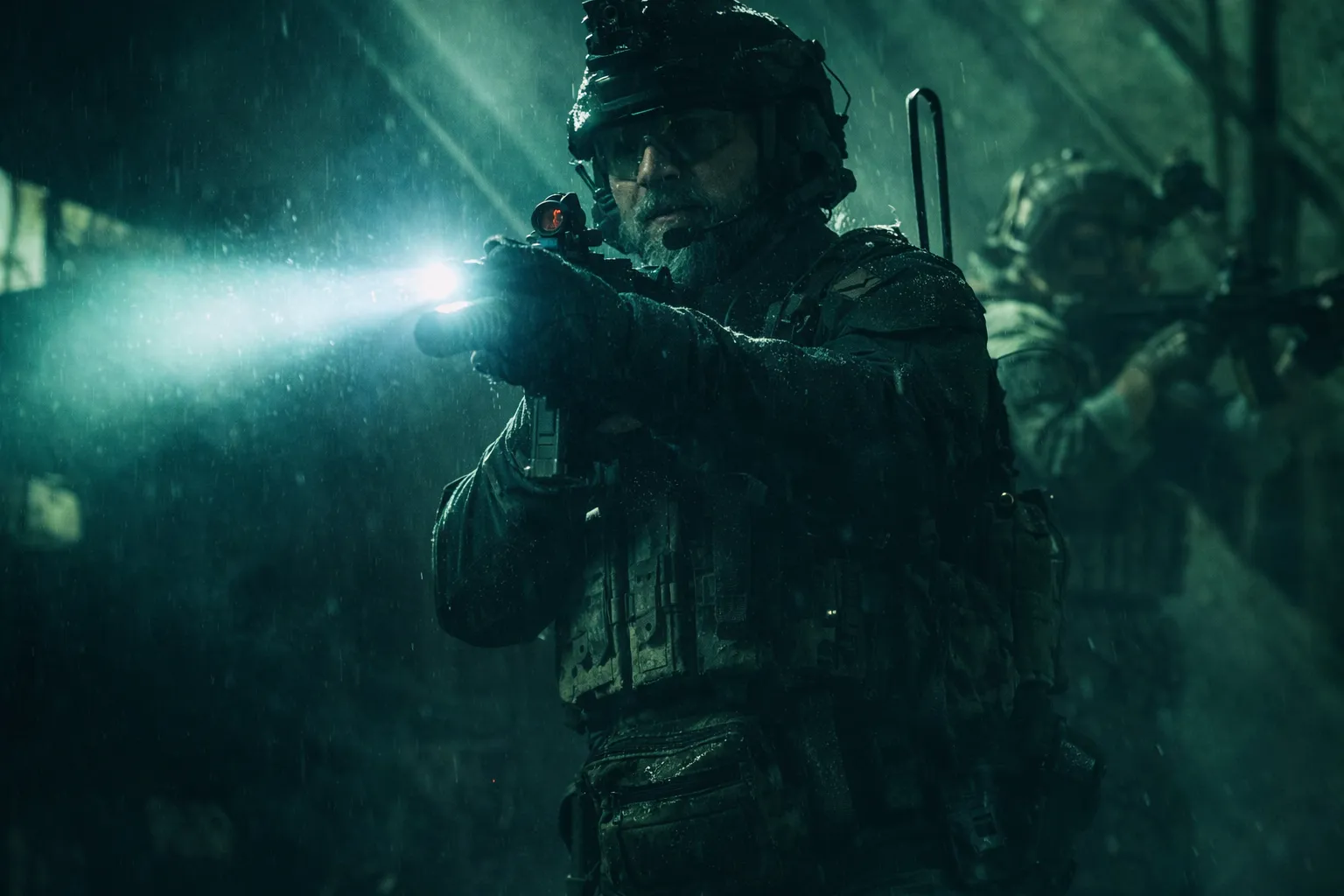
Besides its aesthetic contribution, layering also supports technical quality. It allows for fine-tuning of individual elements and ensures that the result is precise and well-thought-out. All this contributes to the image looking expensive and professional.
Physical Reality and Its Influence
Creating an image that looks expensive often involves thorough work with physical reality. Whether it's scenography, props, or the environment itself, each element must be carefully chosen and placed. Physical reality is not just a background but an active part of the image that adds to its authenticity and credibility.
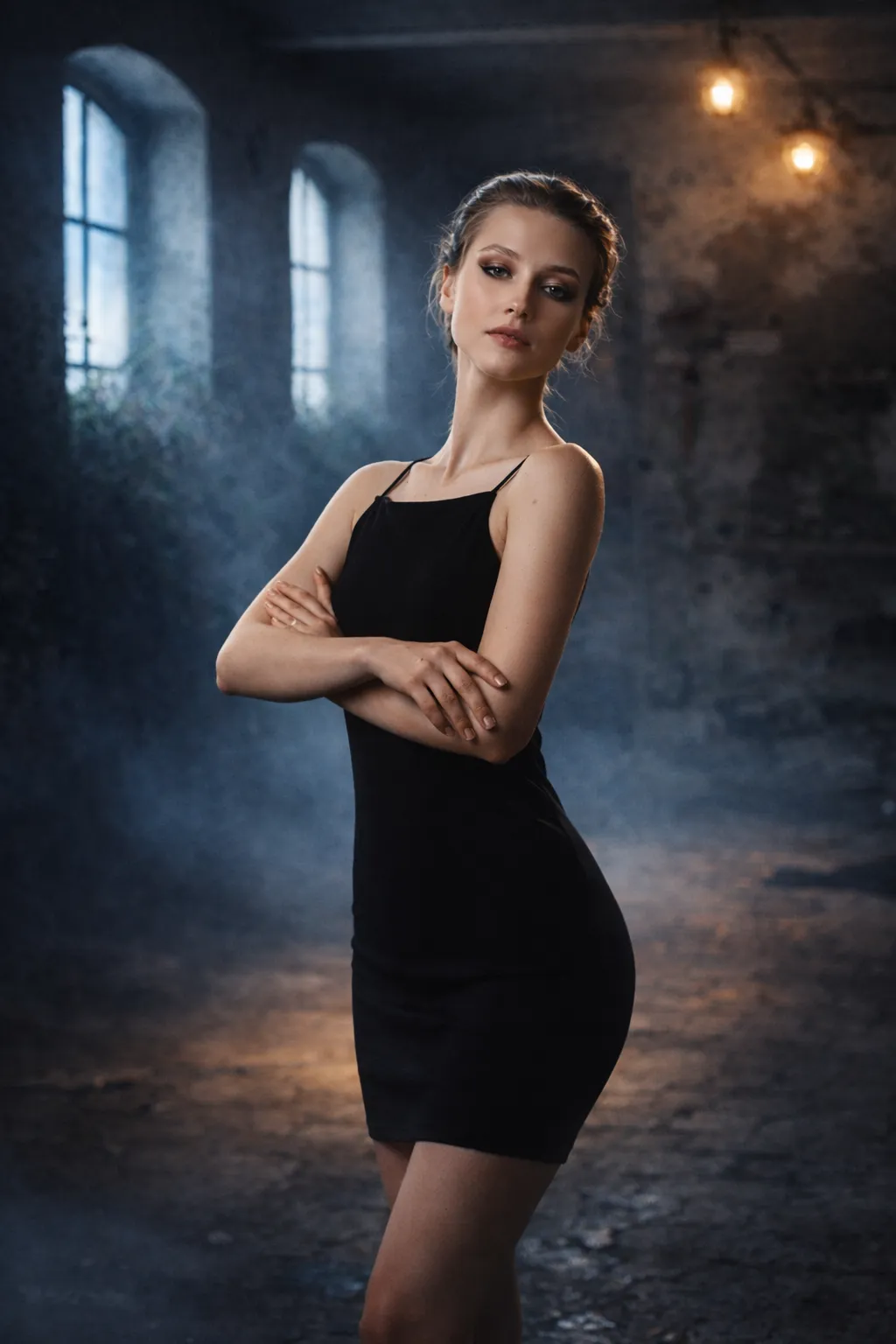
Real elements in the image bring a sense of tangibility and contribute to the viewer perceiving the image as believable. Every detail, from the texture of surfaces to the arrangement of objects, is important to achieve the desired effect. Such precision in physical reality increases the overall value of the image and gives it an exclusive touch.
Physical reality also allows for the creation of a context in which the story of the image unfolds. This context can be crucial for the viewer's understanding and experience, thus enhancing the overall impression and value of the visual output.
Control as the Basis of Success
Every aspect of production is under strict control, which is crucial for achieving an image that looks expensive. Control includes not only technical parameters but also artistic and conceptual decisions. Only through thorough control can a result be achieved that is consistent and fully corresponds to the original intent.
Control in production means that nothing is left to chance. Every step is planned, and every detail is considered. This ensures that the image not only meets but also exceeds expectations. Control is the key to creating visuals that look luxurious and professional.
Without control, it would not be possible to achieve such a high level of quality. It is the careful control of all aspects of production that ensures the final output is not only aesthetically appealing but also valuable and meaningful. This is why some images look expensive—they are the result of a thorough and controlled creation process.
Nezávazná poptávka — zaslání briefu (produkční řešení do 2 pracovních dnů). Ozvěte se nám →
Freemason.cz
Premium production studio Prague — commercial photography, tactical production, fashion editorial and scenic production. White-label, full rights transfer.