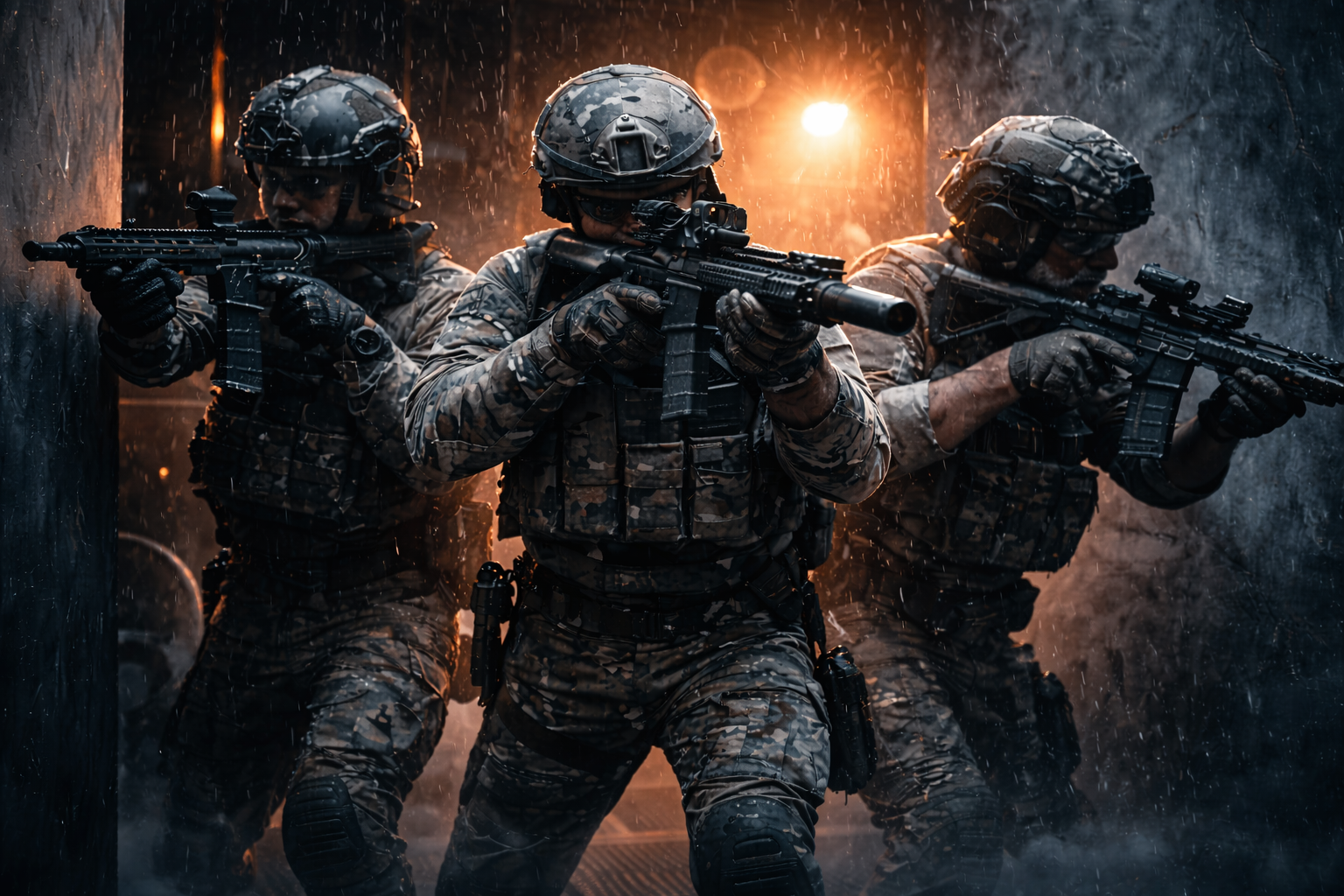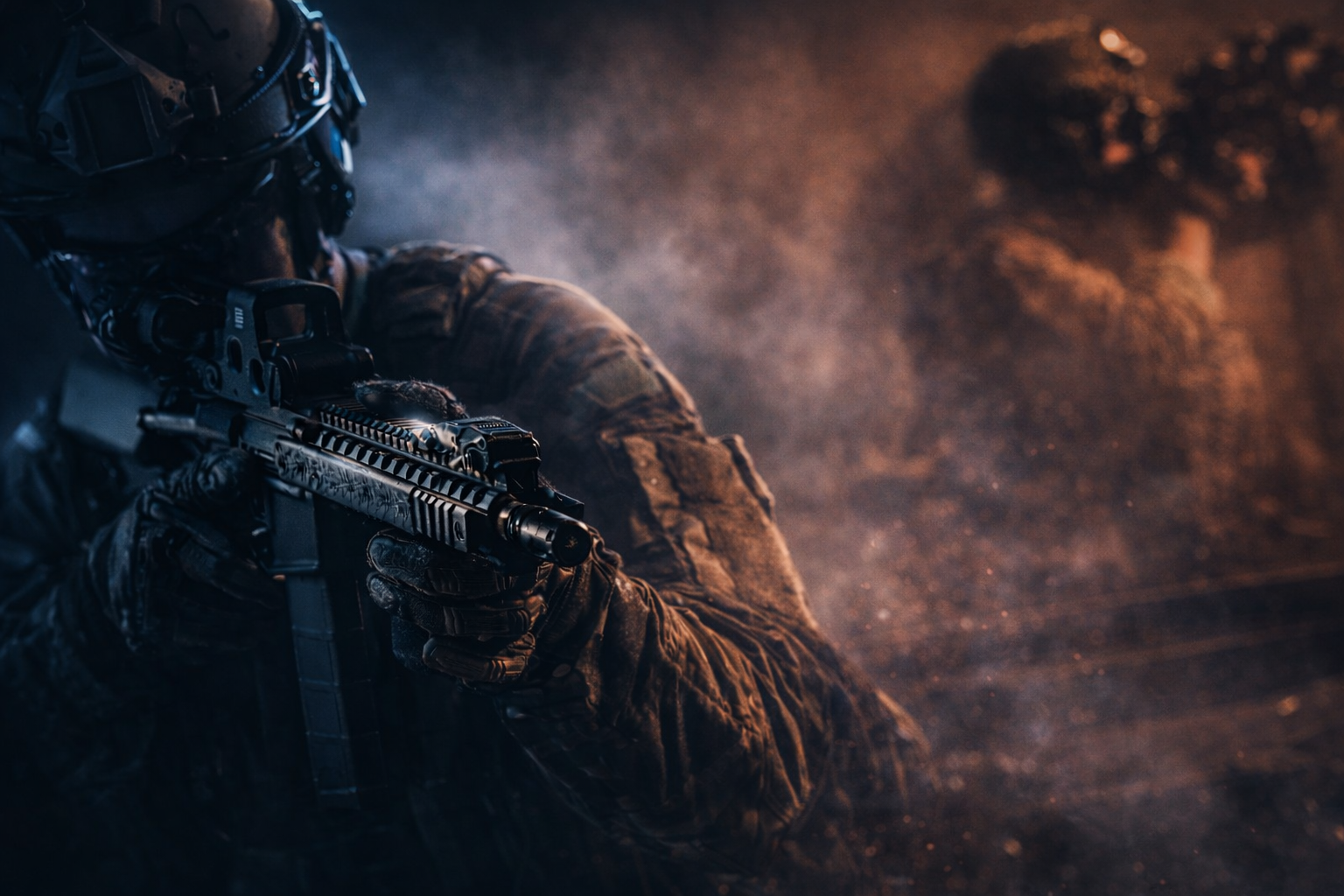
The strongest visual communication of major brands does not look like the result of an external brief. It looks like the natural expression of their own language. The viewer sees it and does not think of an agency, a studio or a supplier. They think of the brand. That is precisely the point. And it requires a different kind of production than a standard commission with visible credit.
When the Result Must Speak for the Brand, Not the Supplier
Every production has a visual handwriting — a way of working with light, composition, rhythm and output. In a standard commercial commission, this handwriting is partly the supplier's — and that is fine. The client hired them because their approach is what they wanted.
In white-label production, however, the logic is reversed. The output must not carry the supplier's handwriting. It must not carry their aesthetic, their processing style or any element that would identify them. The result must look like a natural continuation of the client's visual world. As though it was created internally. As though it were part of a system the client has been building for years.
What White-Label Production Actually Means
White-label production is a model in which a studio creates complete visual content and the client receives it with a full transfer of intellectual property rights. No watermark. No mention of the studio in the final outputs. No reference to the production in the metadata. The content is published under the client's banner — as though it was created by their own internal team.

This is not about the supplier's anonymity as such. It is about the result fitting perfectly into the client's communication. If it stands out — in a different tone, a different aesthetic, a different approach to light — then the work was not done correctly. White-label does not simply mean leaving off the credit. It means perfectly understanding the client's visual language and working inside it.
Why Major Brands Do Not Want a Visible Author
Major brands are building a long-term visual world. Every output must be part of that world — consistent, recognisable and authentic to their identity. A visible author creates discontinuity. The viewer begins to perceive the content as the product of external production, not as a natural expression of the brand. This discontinuity undermines the credibility of the communication.
There are also strategic reasons for discretion. The way a brand communicates is part of its competitive advantage. The fact of who produces for them is information they do not wish to share with the market. A visible supplier is surplus information — and major brands control their information.
Discretion, Rights and Control of Output
White-label production almost always operates under NDA. The non-disclosure agreement covers the identity of the client, the scope of the commission, the outputs and the terms of collaboration. The studio may not publish the outputs, reference the collaboration or use the materials for its own portfolio without explicit consent. This is a standard part of the professional system — not an exception.
Full transfer of intellectual property rights — without annual fees, territorial restrictions or usage conditions — is the second pillar of this model. The client receives an output that is theirs. They can use it in any medium, in any market, without needing to consult the supplier. This clarity is essential for major brands — a complicated licensing structure complicates their internal processes.
Freemason.cz as an External Production Unit
Within this model, Freemason.cz does not function as a content supplier. It operates as an external production unit that temporarily enters the client's system, works inside their visual language and delivers a finished result without leaving a trace. The team subordinates itself to the identity of the brand — its palette, its lighting style, its rhythm and its mode of communication.
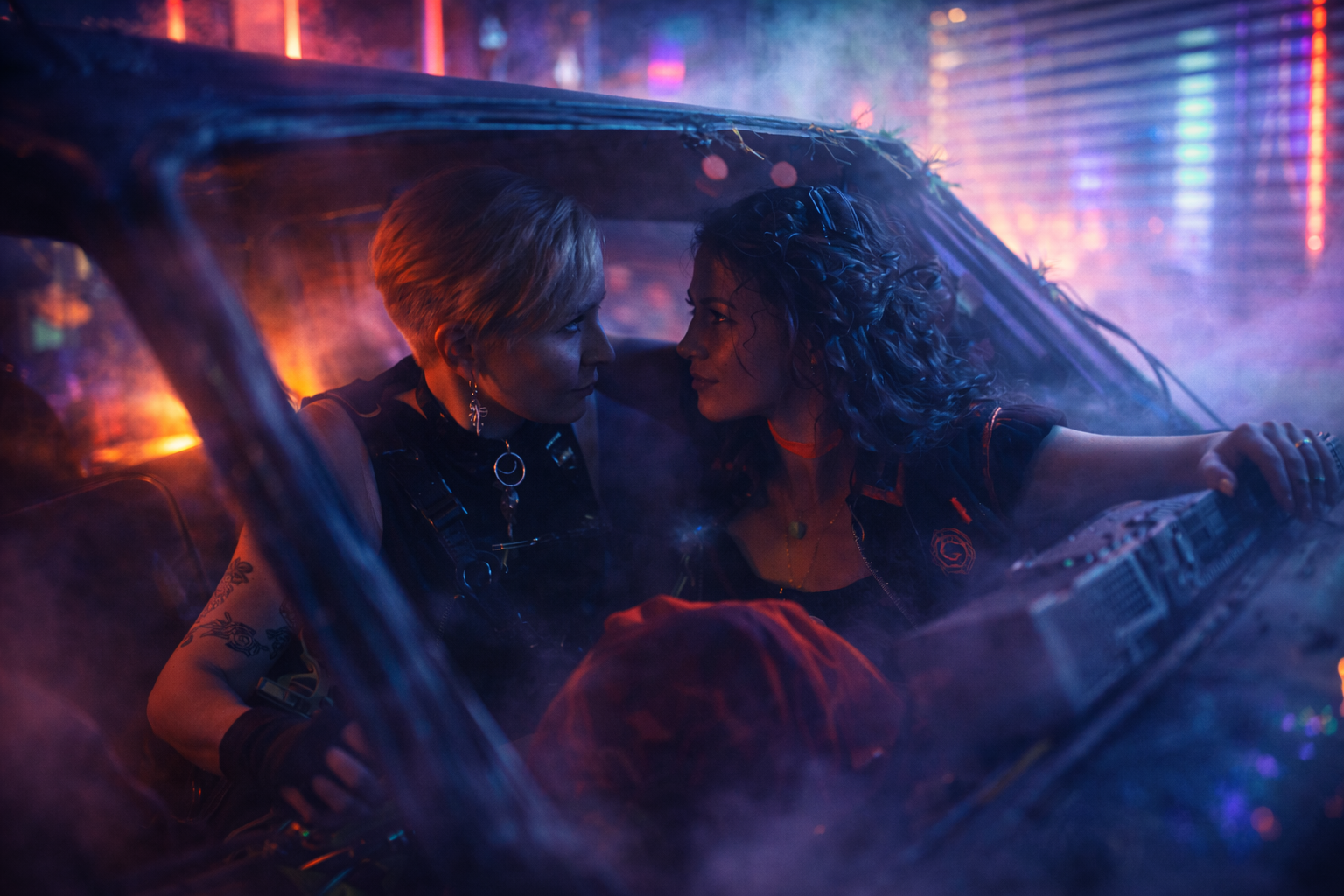
This approach requires more preparation than a standard commission. The brand must be understood more deeply than is necessary when the production is visible. Its visual rules must be fully internalised before the team arrives on set. Because the output must hold — not only technically, but as a natural part of the client's communication.
In good white-label production, invisibility is not a loss of authorship. It is proof that the result became perfectly part of the brand it was made for.
Nezávazná poptávka — zaslání briefu (produkční řešení do 2 pracovních dnů). Ozvěte se nám →
Freemason.cz
Premium production studio Prague — commercial photography, tactical production, fashion editorial and scenic production. White-label, full rights transfer.