The Importance of Preproduction in Image Creation
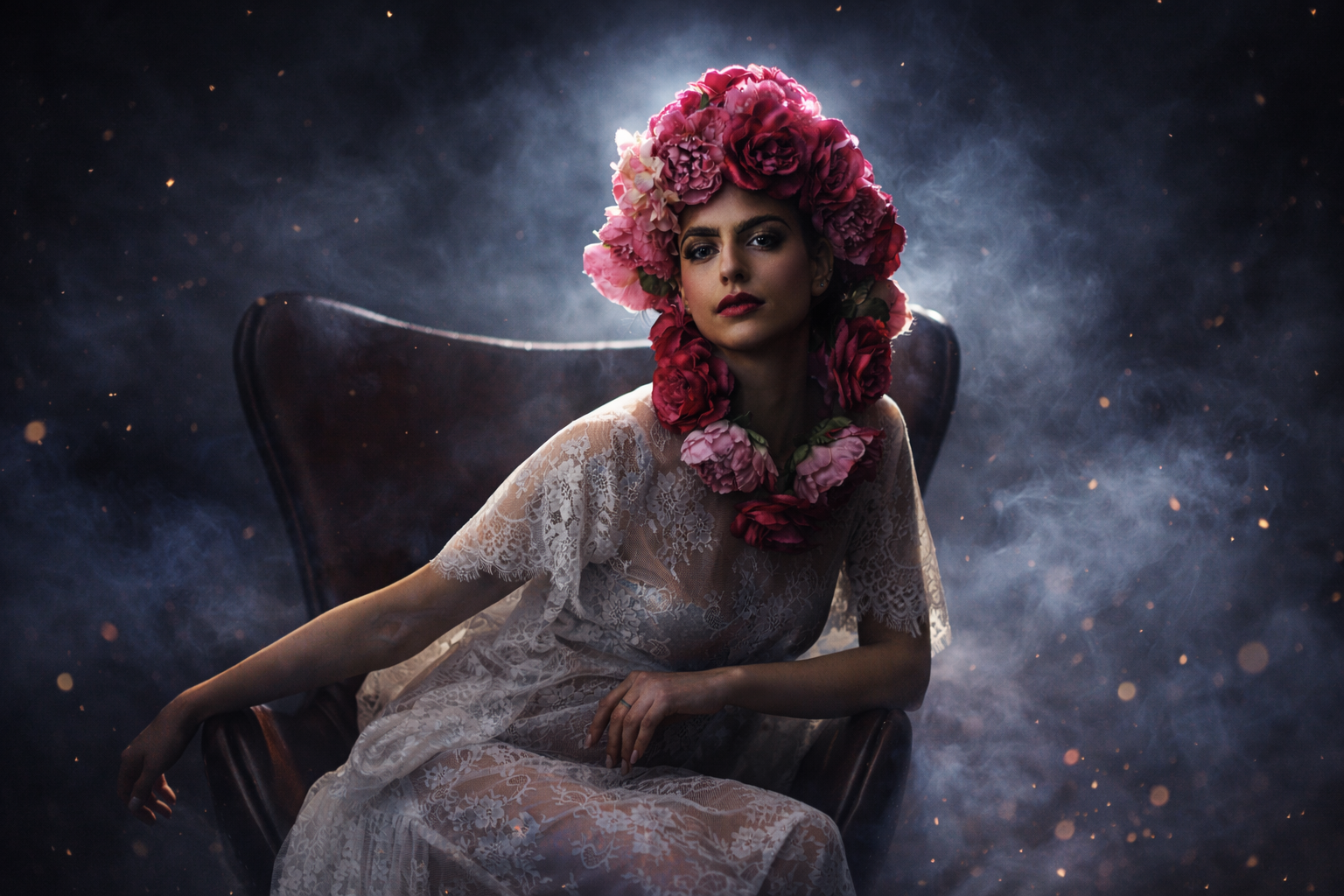
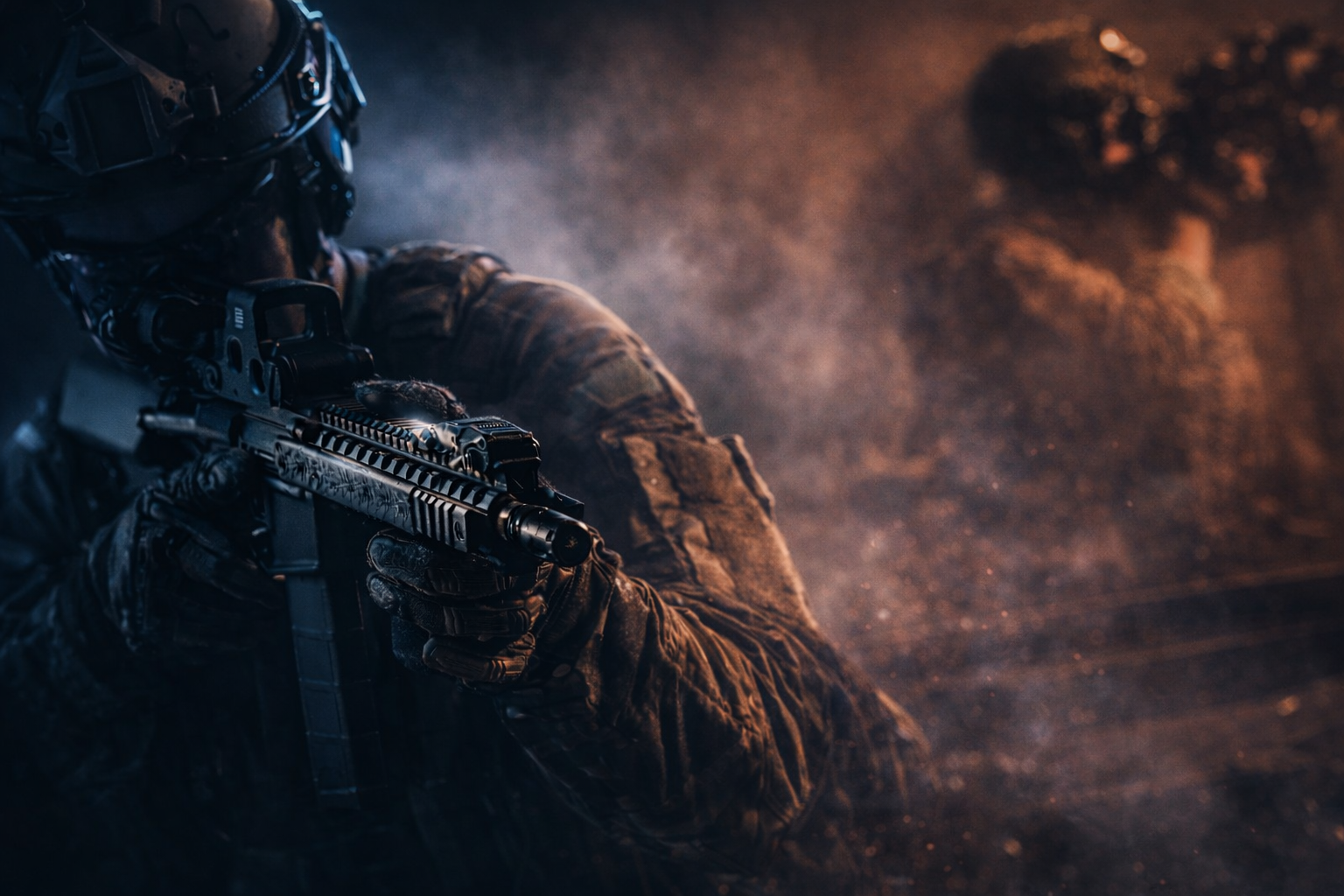
Preproduction is a crucial phase that significantly determines how an image will be perceived and how it will influence the perceived value of a product. In this phase, decisions are made about lighting, space, composition, and intent, which are the foundational elements for creating an image that speaks for itself. Without careful preparation and a well-thought-out strategy, any visual output could appear incomplete or even misleading.
Lighting is one of the most powerful tools here. Correctly chosen lighting can give a product a dramatic expression, highlight its key features, and create an atmosphere that resonates with the target audience. Controlled lighting brings products to life, thereby enhancing their perceived value. For example, soft, diffused light can evoke a sense of luxury and elegance, while sharp and contrasting lighting can add energy and dynamism.
The space in which a product is presented is not just a backdrop but an active component of the overall composition. Its structure, colors, and textures can complement or disrupt the overall intent. A carefully chosen space can accentuate the character of a product and its value. For instance, a minimalist and clean space can underscore sophistication and exclusivity, while a rustic setting can evoke authenticity and traditional values.
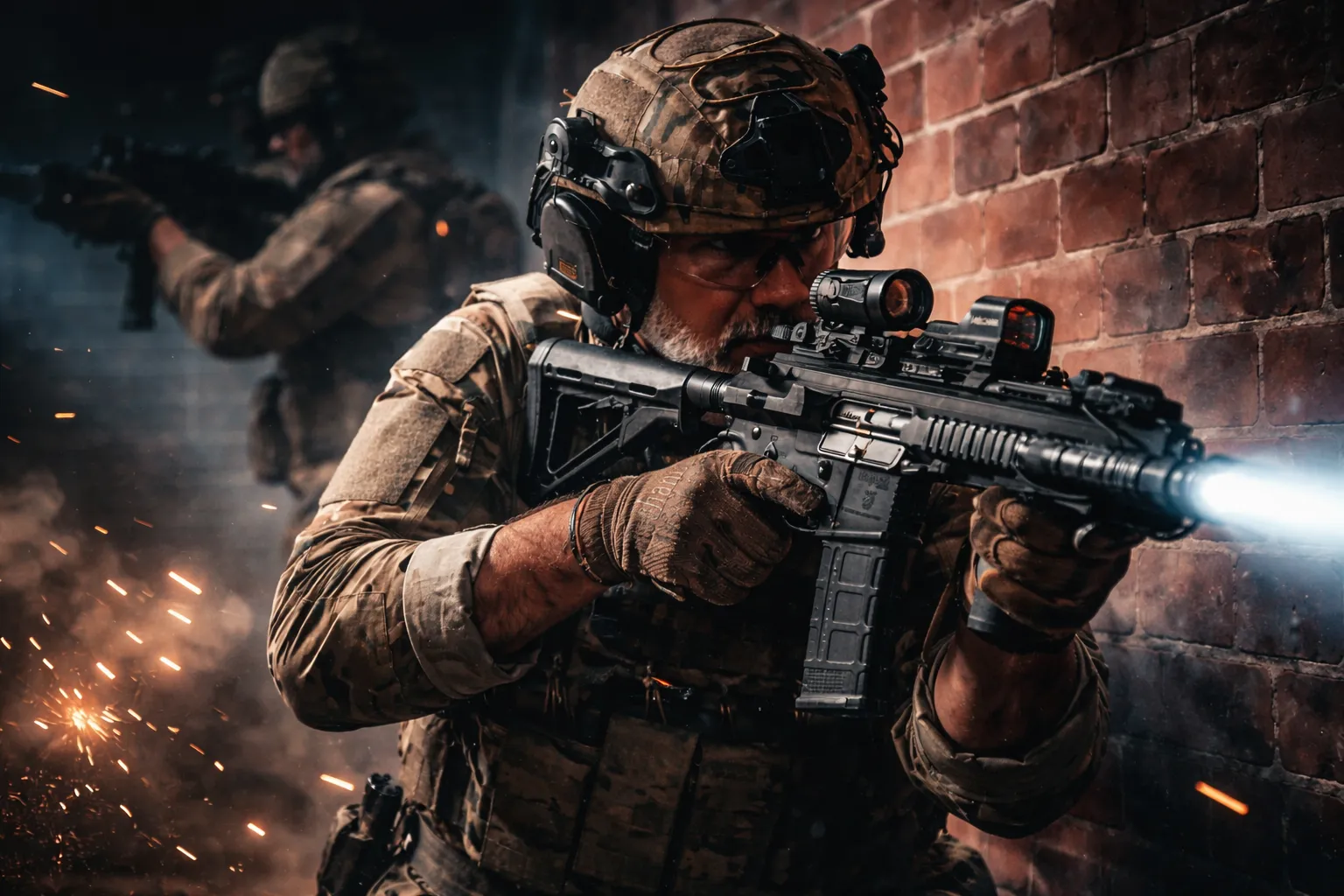
Ultimately, intent is what gives all these elements meaning. Without a clear intent, an image becomes just a cluster of visual elements without real impact. Intent determines what emotions and associations the viewer should experience when looking at the product, directly influencing its perceived value.
Layering as a Tool for Building Value
Layering is a technique that allows multiple aspects of a product to be highlighted simultaneously, thereby increasing its perceived value. This technique involves using various visual elements that overlap and together create a complex image. This can include a combination of different materials, textures, colors, and lighting effects.
Layering enables production teams to play with depth and perspective, adding a third dimension to the image. This approach can be particularly effective in fashion photography, where layering is used to showcase different qualities of a garment—from the fabric's texture to its movement in light. This creates a rich visual experience that offers the viewer more than just a superficial glance.

Strategic layering also helps tell a story about the product. For example, a product placed against a complex texture can evoke a sense of history and craftsmanship, while a smooth and shiny background might suggest modernity and technological advancement. Each layer adds another level of meaning, enhancing the overall perceived value of the product.
The challenge is to keep all these elements in harmony so that they complement rather than disrupt each other. If layering is done correctly, the resulting image can be not only aesthetically impressive but also strongly influence the perception of the product's value.
The Role of Physical Reality in Digital Production
In today's digital age, it's easy to forget the importance of physical reality in creating visual outputs. Yet, physical reality is the foundational building block on which any digital production is based. Without physical elements such as real objects, light, and space, any digital output would lack an authentic foundation.

Physical reality brings credibility to digital production. It allows the viewer to believe what they see, and thereby trust the product itself. Digital manipulation can enhance or refine an image, but it cannot replace its physical foundation. For instance, realistic shadows and reflections can add a sense of tangibility, which is crucial for the perception of value.
Moreover, physical reality allows interaction with light and space, elements that digital technology still cannot perfectly simulate. The physical presence of a product in space creates a dynamic that is naturally appealing to the viewer. This authentic interaction is the basis for creating an image that truly resonates with the audience.
In the production processes at Freemason.cz, physical reality is always prioritized. Every image is carefully constructed with regard to real, tangible elements that give the output authenticity and credibility, which are essential for successful communication of a product's value.
Tension as a Tool for Increasing Appeal
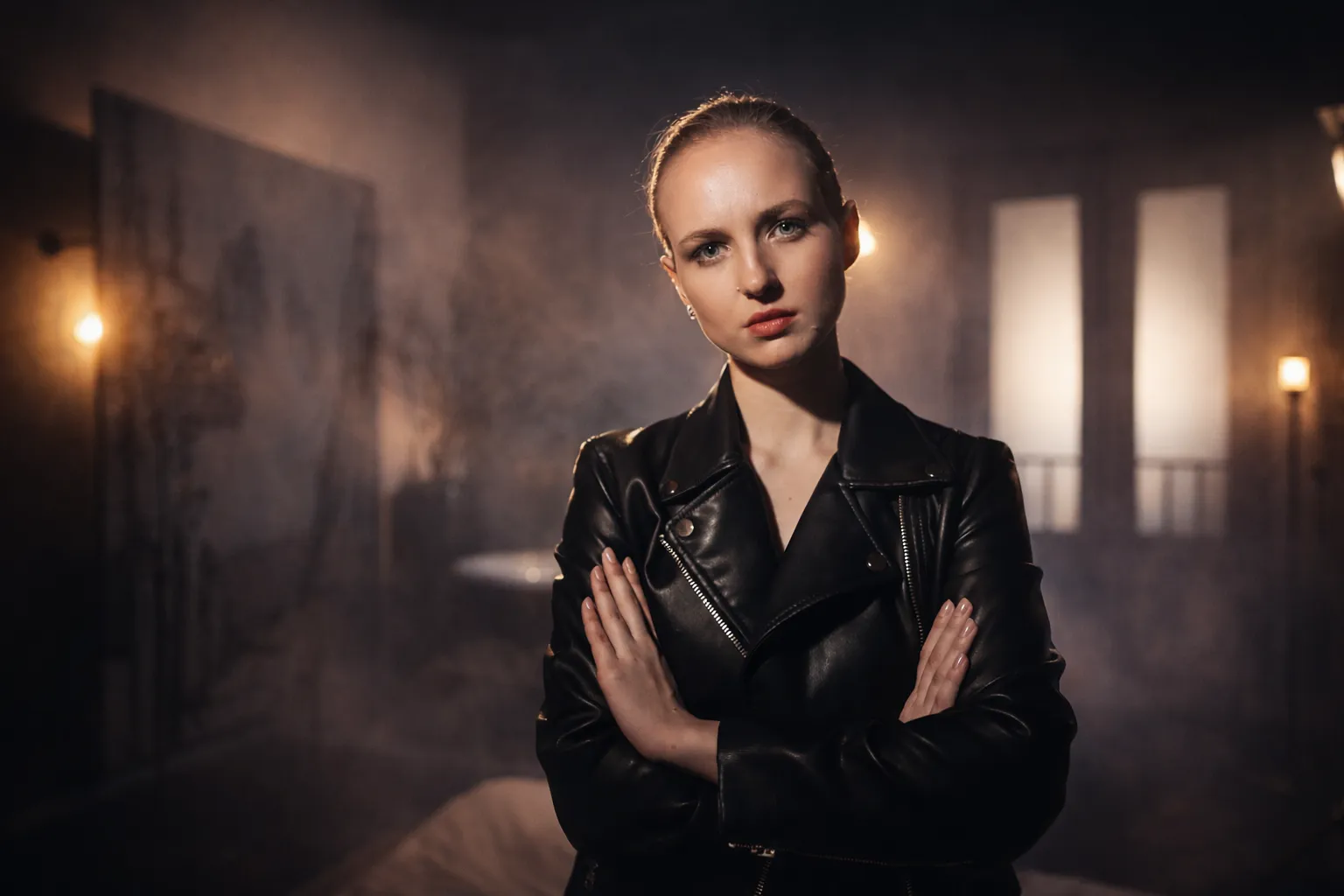
Tension is one of the most powerful tools for enhancing the appeal and value of a visual output. In a production context, tension is created by the contrast between individual elements of the image. This contrast can be visual, such as between light and shadow, or conceptual, such as between traditional and modern elements.
Tension in an image creates a dynamic that draws the viewer's attention and compels them to explore the image more thoroughly. This increases their engagement and ability to appreciate the product's details, which can directly influence its perceived value. For example, the use of dramatic lighting can highlight key features of a product, while an unusual composition can provoke curiosity and interest.
Contrasting elements in an image can also evoke emotions and associations that enhance the product's value. For instance, the contrast between natural and artificial materials can suggest innovation and progress, while the combination of warm and cool tones can evoke a sense of coziness and luxury.
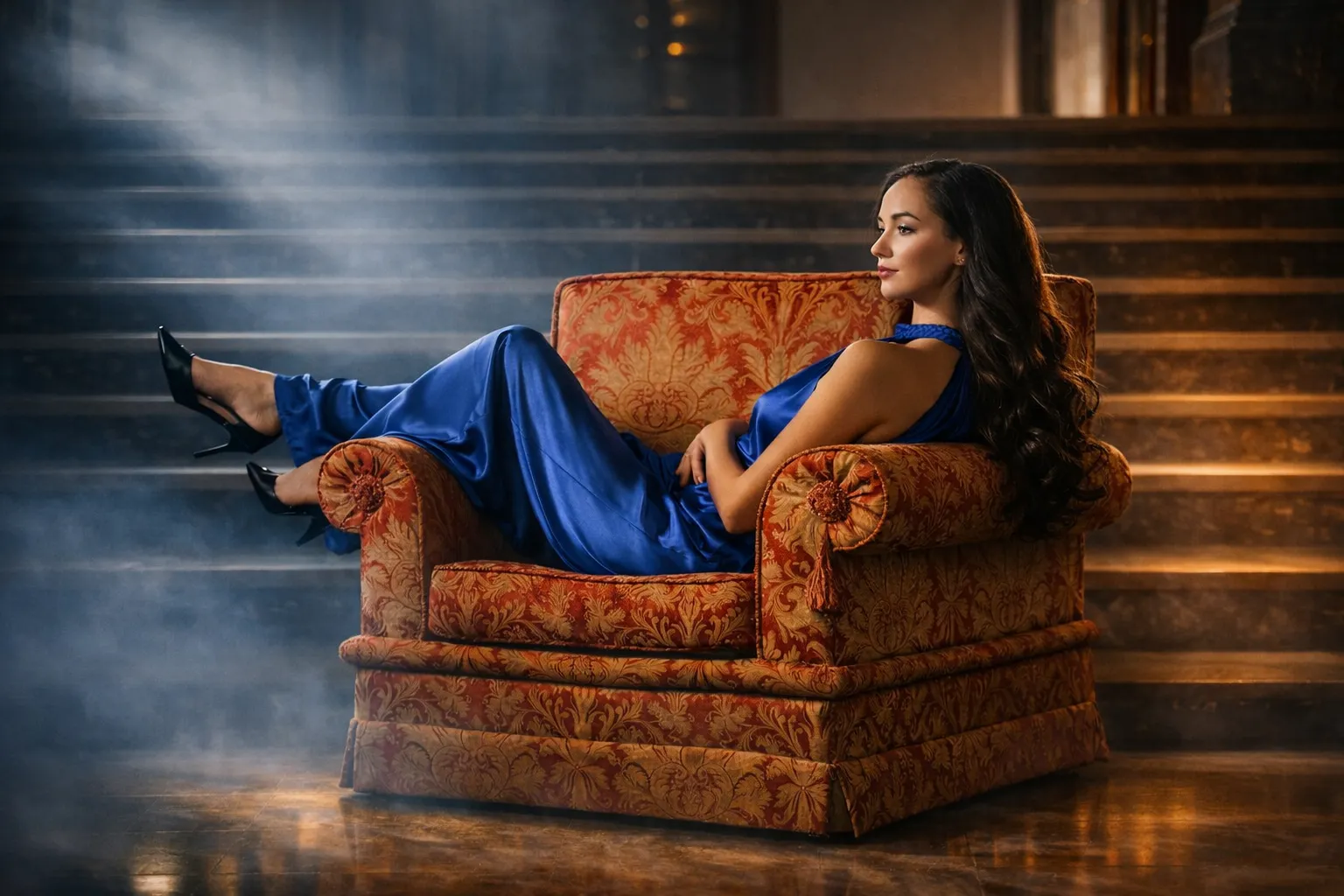
In the production practice at Freemason.cz, tension is carefully managed and utilized as a key element for enhancing the appeal and value of the visual output. Every element of the image is meticulously controlled to achieve the desired effect and to make the output as impactful as possible.
The Value of Output as a Result of Precise Control
The final value of any visual output is the result of precise control over all aspects of the production process. This process involves not only technical skills but also strategic thinking and the ability to anticipate how different elements will affect the viewer's perception.
Control begins in the preproduction phase, where key parameters such as lighting, space, and intent are determined. Every detail is carefully planned to achieve the greatest impact on the viewer. This level of control is essential for creating an image that is not only aesthetically impressive but also effectively communicates the product's value.
Postproduction is another phase where control is fully manifested. Here, the image is fine-tuned, colors are corrected, contrast is increased, and additional effects are added to emphasize the intent. However, as previously stated, postproduction can complete an image but cannot replace a missing intent or poor construction in preproduction.
Ultimately, the value of the output is the result of careful and controlled work at every stage of the production process. Freemason.cz builds on this philosophy to ensure that every production is not only visually impressive but also maximally effective in communicating the product's value, thereby increasing its perceived price in the market.
Nezávazná poptávka — zaslání briefu (produkční řešení do 2 pracovních dnů). Ozvěte se nám →
Freemason.cz
Premium production studio Prague — commercial photography, tactical production, fashion editorial and scenic production. White-label, full rights transfer.