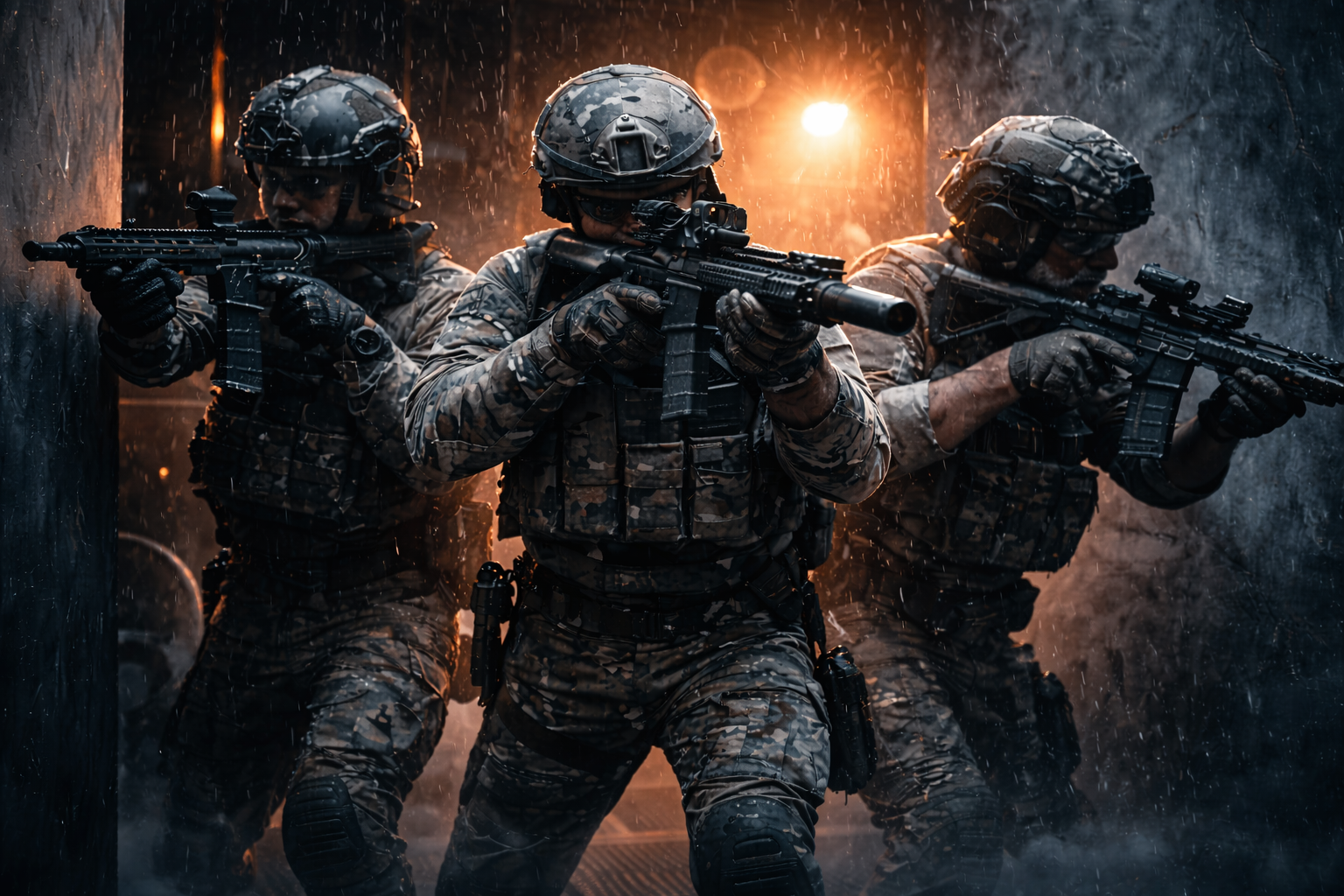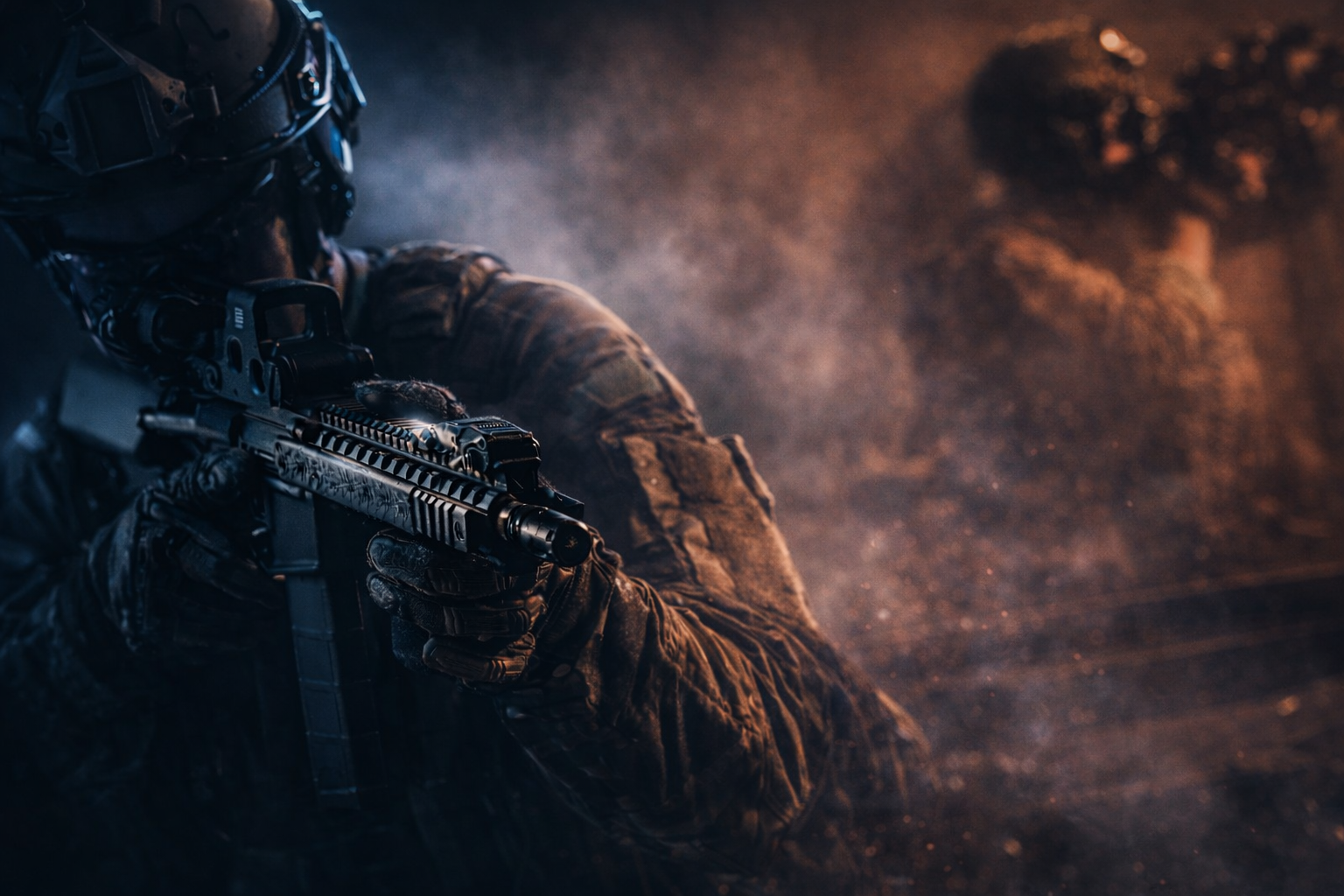
Construction as the Foundation of Authority
In the production phase, focusing on construction is crucial as it becomes the foundational element for creating authority in an image. Construction is not just a technical issue but primarily a strategic approach to creating visual content. Every element on the scene must be carefully planned and considered to support the overall integrity and strength of the final image. This includes not only the physical placement of objects but also the subtle nuances within the composition that can influence the viewer's perception.
The construction process begins in the preproduction phase, where key decision-making processes influence the final outcome. It is the moment when the intentions and goals that the image is meant to communicate are defined. Construction also involves space and its utilization, which is essential for achieving the desired effect and atmosphere.
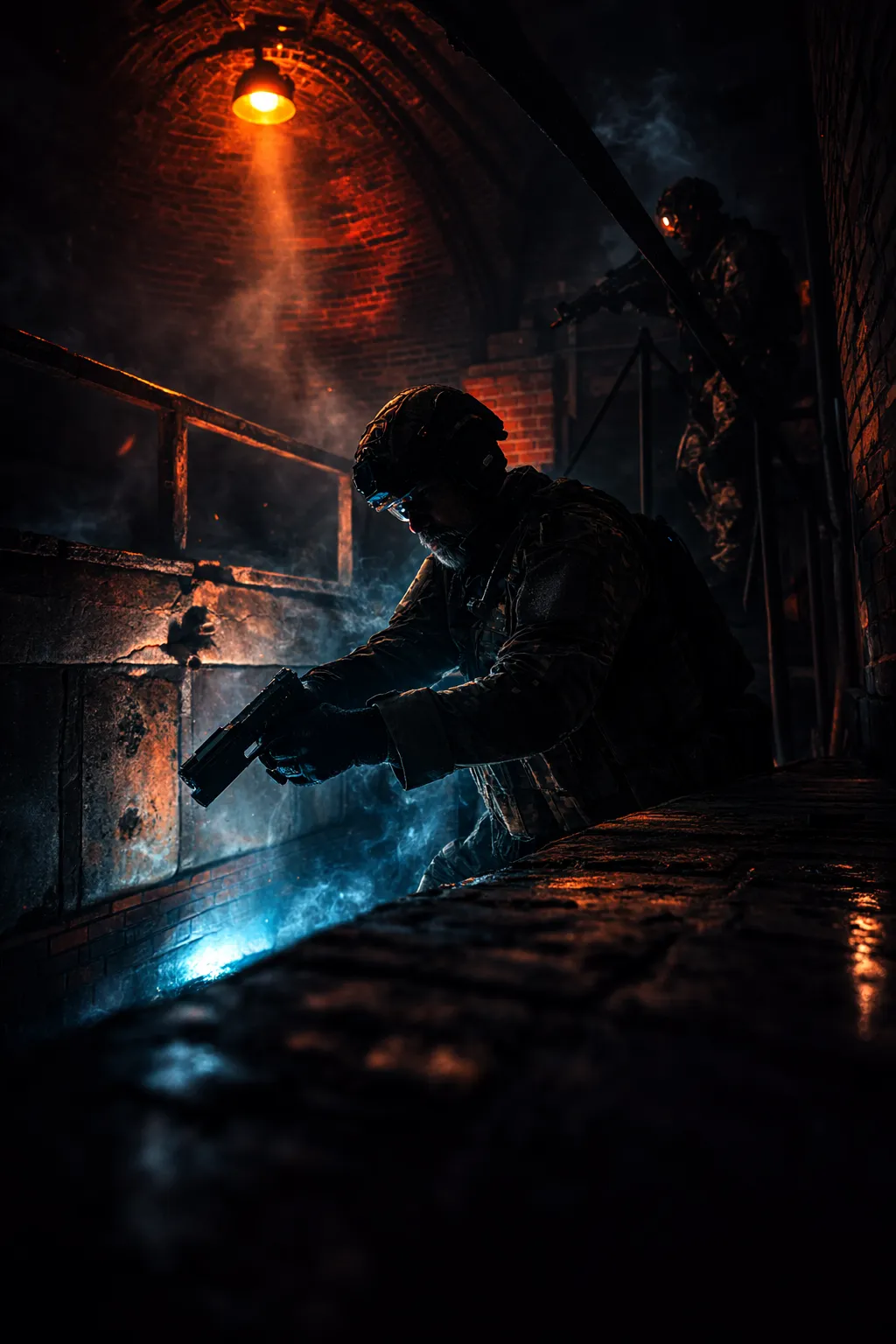
The importance of construction can be illustrated by the example of stage production with pyrotechnics, where every element must be precisely planned to avoid danger while maximizing the potential of the effect. Thus, construction is not only a matter of aesthetics but also of safety and efficiency.
Light as a Tool for Creating Atmosphere
Light is another key element that has a significant impact on the authority of an image. Its proper use can completely change the perception of space and strengthen the intended purpose. Light is not just a means of illuminating the scene but primarily a tool for creating atmosphere and expressing emotions.
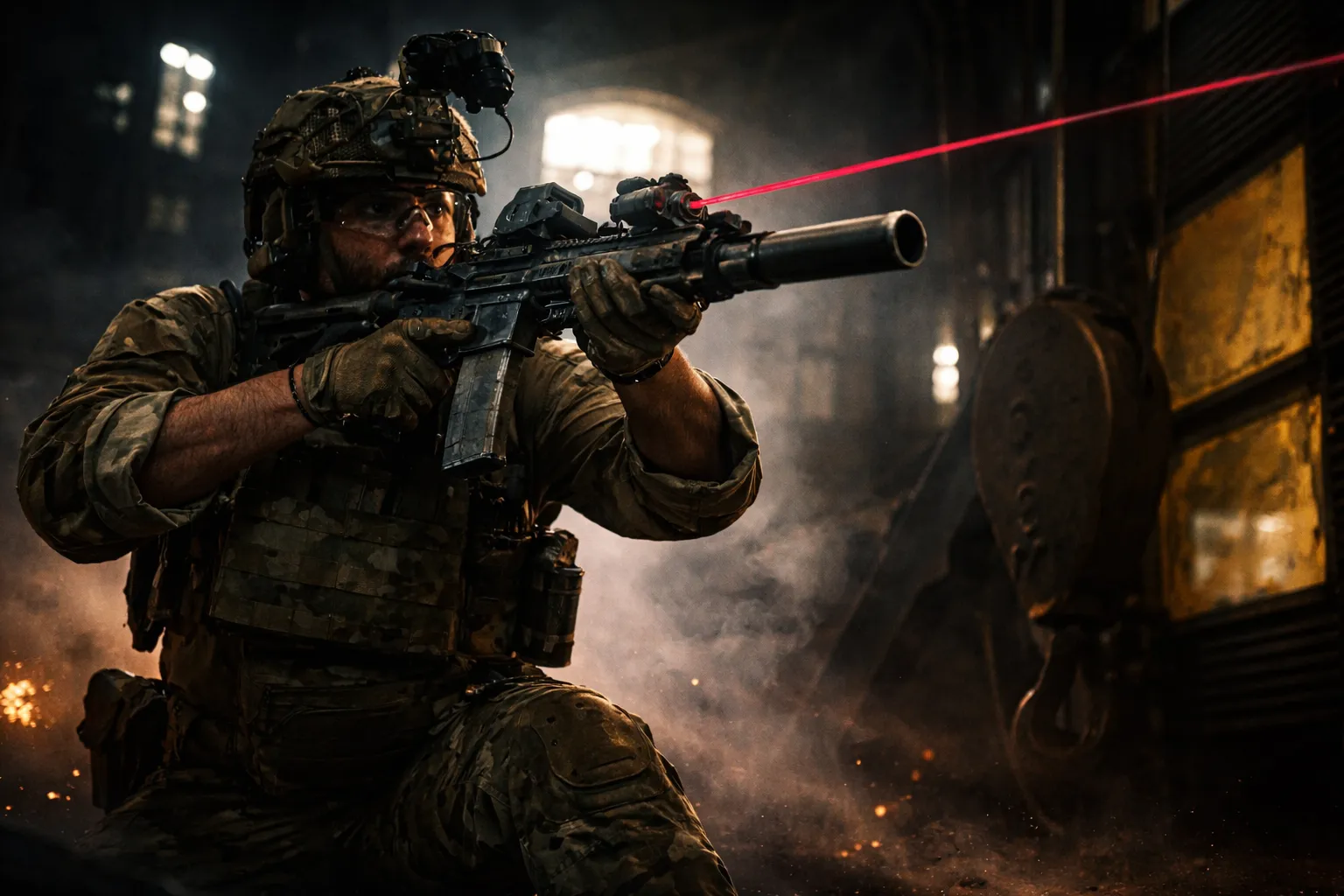
In the production process, it is essential to understand the properties of different types of light and their impact on the resulting image. Creators must be able to work with various light sources and know how to combine them to achieve the desired effect. This process involves careful planning and control, which is key to achieving consistent and quality results.
An example can be found in fashion editorials, where light is used to create a dramatic or romantic effect, thereby enhancing the overall strength and authority of the image. Proper use of light can also highlight details that would otherwise remain hidden, adding another layer of meaning to the image.
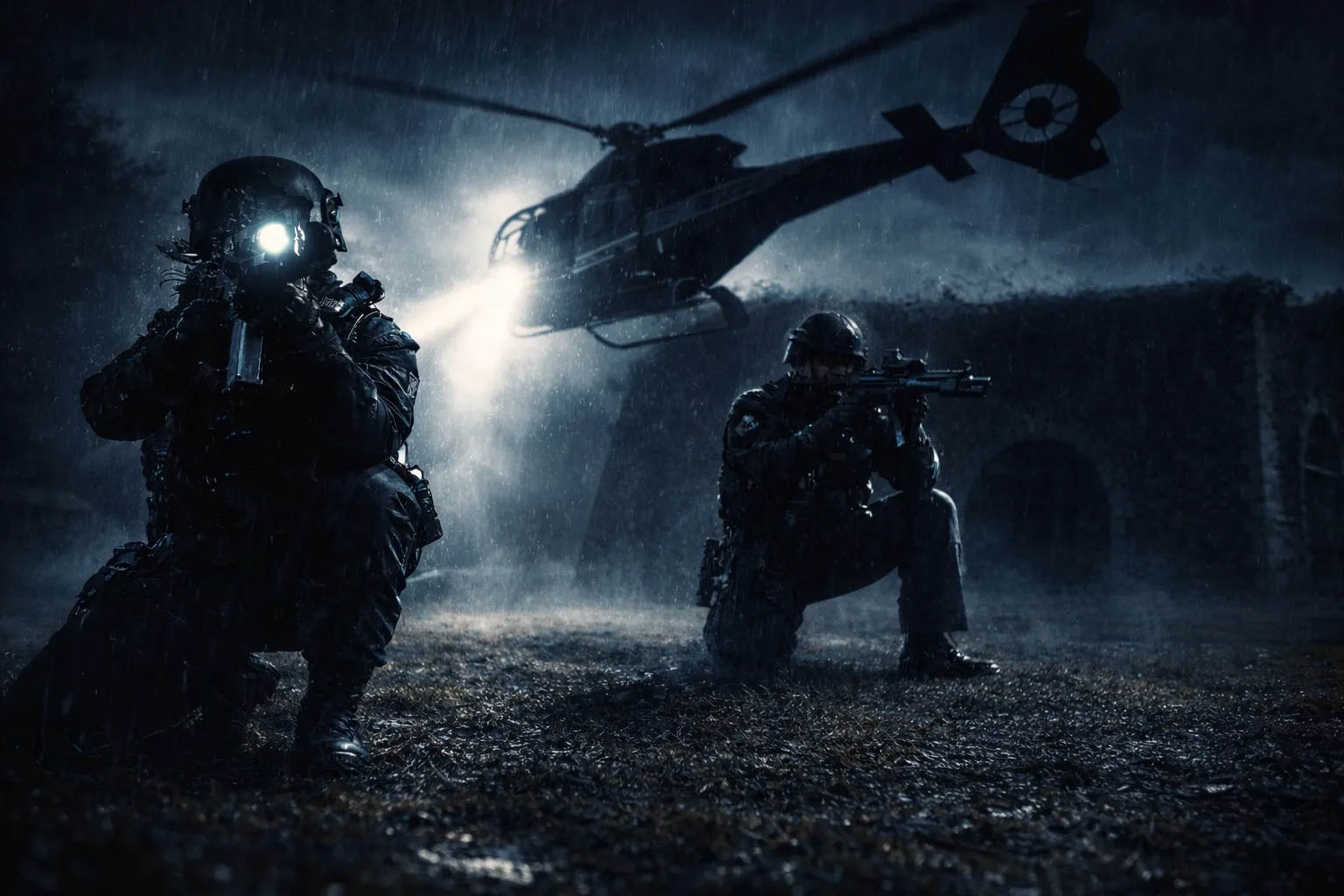
Space as Part of Meaning
Space in an image is not merely a backdrop but an active part of its meaning. It is an element that can add depth, context, and strengthen its authority. Spatial arrangement influences the viewer's perception and can be a tool for directing their attention.
In the production process, it is important for space to be used strategically. This includes not only its physical dimensions and characteristics but also how it interacts with other elements on the scene. Space can be used to create tension, add credibility, or highlight key elements of the image.
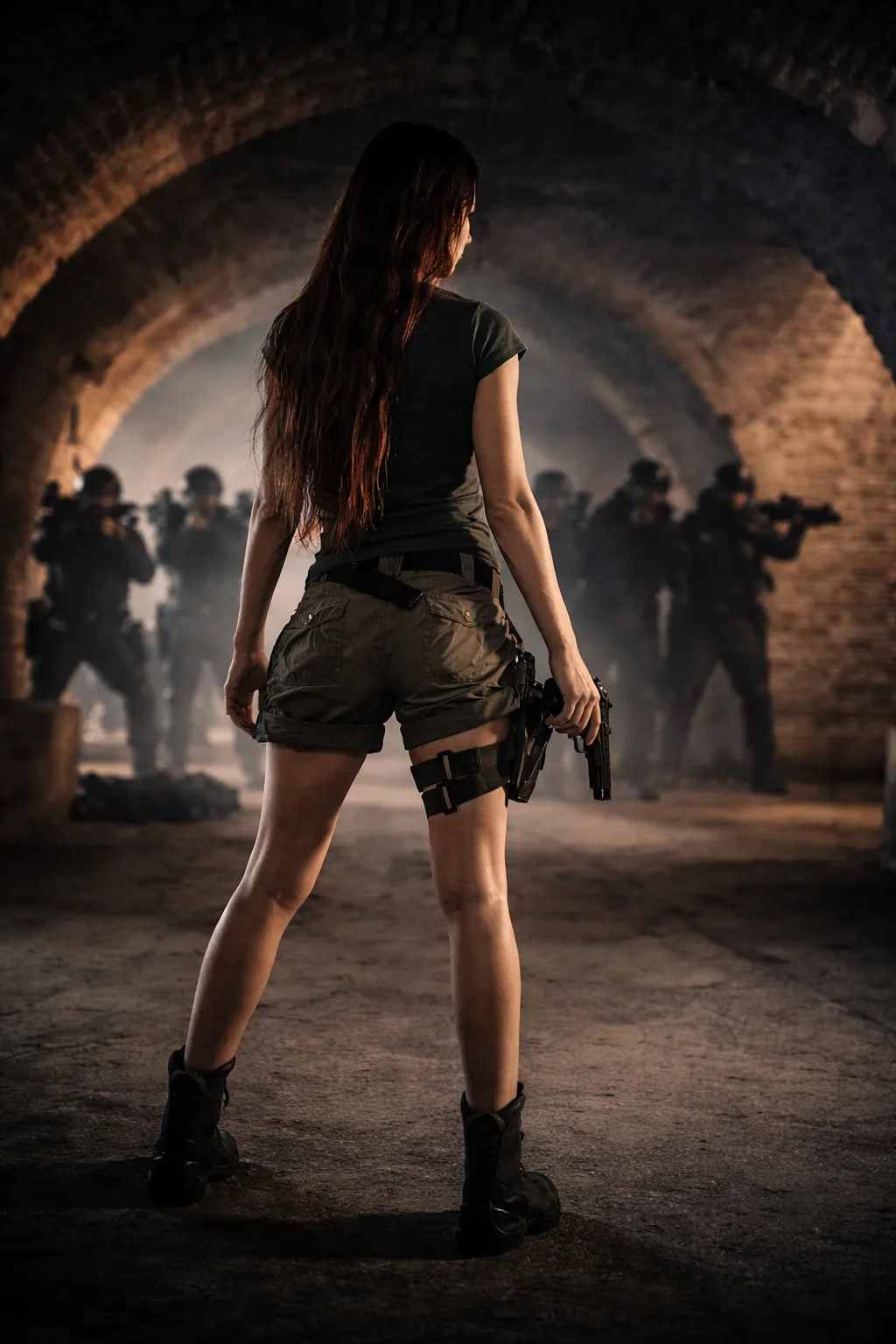
For example, in commercial photography, space can be used to make a product stand out and gain importance. Proper use of space can also enhance the narrative component of the image, which is crucial for achieving a strong and authoritative visual.
Postproduction as the Completion of Intent
Postproduction is the phase where the image is completed and refined into its final form. It is a process that allows for fine-tuning details but cannot replace a missing intent or weaknesses in the preproduction phase. Control is a key aspect of postproduction, ensuring that the resulting image corresponds to the original intent.
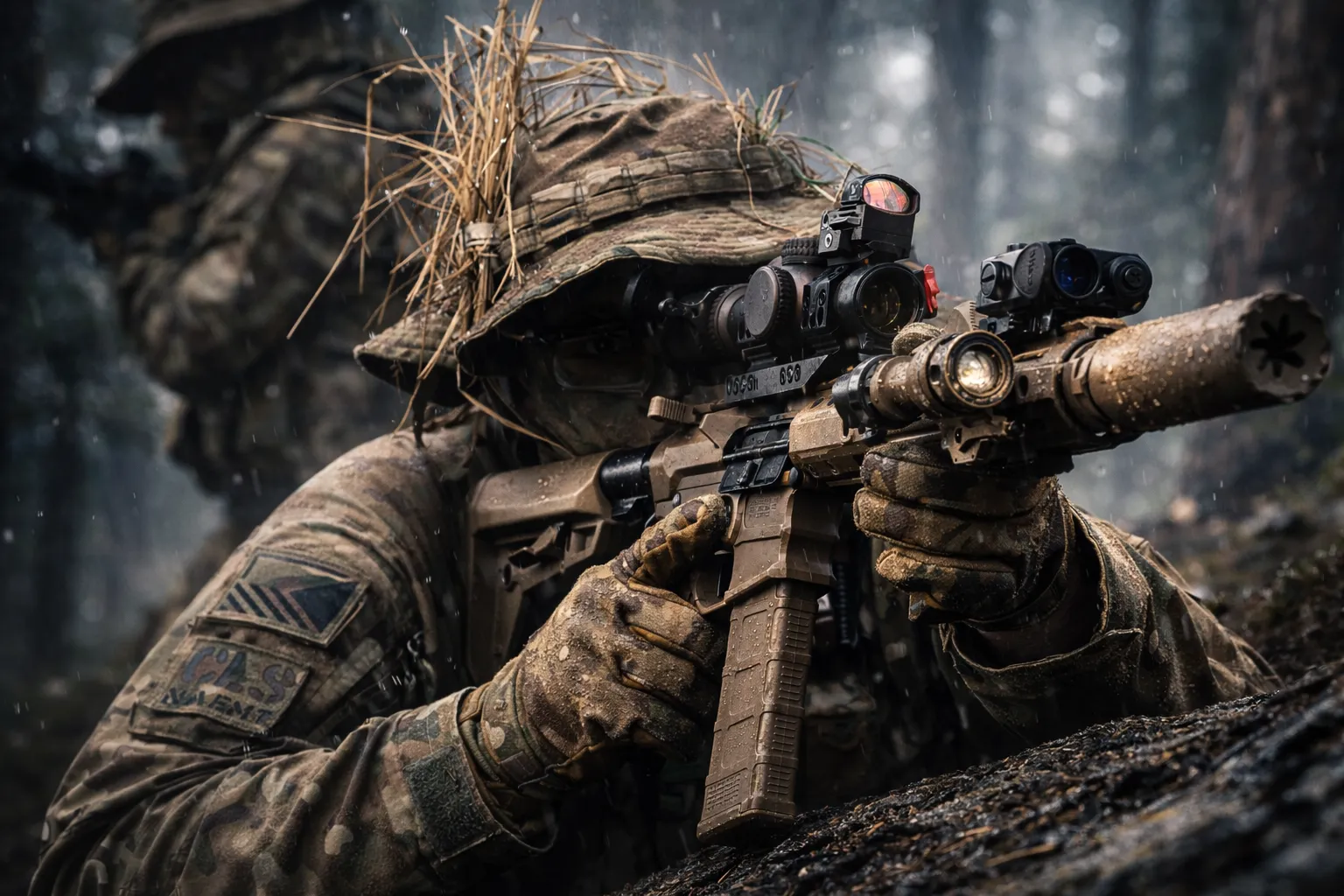
During postproduction, it is important to have a clear vision of what the image is meant to convey and what emotions it should evoke. Every adjustment should have its purpose and serve to strengthen the authority of the image. Thanks to modern technologies, a wide range of adjustments can be made in postproduction today, but it is crucial to maintain the integrity and authenticity of the image.
In the context of stage production with pyrotechnics, postproduction may include color adjustments, contrast, or adding digital effects that enhance the dramatic impact of the scene. However, it is important that these adjustments do not cross boundaries and damage the original intent and authentic character of the scene.
Layering as a Tool for Complexity
Layering is a technique that allows adding depth and complexity to an image. It is a process that involves combining different elements and layers that together form a stronger and more authoritative whole. Layering can include both physical and digital elements that complement each other.
When layering, it is important to have a clear idea of how the individual components interact and what effect they have on the overall image. Each layer should have its purpose and contribute to the image's intent. This technique requires careful planning and control to ensure that the resulting image is coherent and strong.
An example of layering can be found in fashion photography, where different textures, colors, and light effects are combined to create an image that is visually rich and has a strong impact on the viewer. Layering can also involve working with the background and foreground, which together create dynamics and tension in the image.
Authority in an image is the result of careful planning and a strategic approach. Every element, from construction through light to space, must be aligned to strengthen the overall strength and credibility of the visual. Postproduction and layering then allow for fine-tuning details and adding depth, making the image unforgettable. In the production world, authority is an image that speaks for itself and leaves a lasting impression.
Nezávazná poptávka — zaslání briefu (produkční řešení do 2 pracovních dnů). Ozvěte se nám →
Freemason.cz
Premium production studio Prague — commercial photography, tactical production, fashion editorial and scenic production. White-label, full rights transfer.