
The Role of Preproduction in Visual Production
Visual production is a complex process that begins long before the lights come on and the camera starts rolling. A crucial role in this process is played by the preproduction phase, often referred to as the most important and most expensive part of the entire project. Why? Because it is in this phase that all the significant decisions are made—from the concept, lighting conditions, spatial arrangement to the very intent of the entire project.
Preproduction is about building the foundations. It is the phase where the entire visual production structure is created. It includes location selection, storyboard creation, lighting scheme planning, and many other aspects. This phase is critical to ensuring that the final output has the desired quality and credibility. Without careful planning, the entire shoot could become chaotic, and the resulting product would lack consistency and value.
Investment in preproduction may seem high, but it is an investment in quality and efficiency. The better this phase is planned, the smoother the actual shooting will be, and the less need there will be for costly and time-consuming postproduction. Ultimately, it is a strategic step that can significantly affect the overall project budget.
Light as a Key Tool, Not an Accessory
Light is one of the most important elements of visual production. It is a tool that determines the atmosphere, and therefore its planning is a key part of preproduction. Every shot requires specific lighting conditions that must be carefully planned and tested in advance.

When planning lighting, many factors are considered—from the intensity and direction of the light, its color, to its interaction with the environment and objects on the set. This control over light allows for creating layered and dynamic images that have depth and character. Light is not just an accessory but a fundamental building block that can change the overall interpretation of a scene.
Investment in quality lighting design during preproduction means that the production team will have a clear vision of how the final output should look. This reduces the risk of unexpected problems during shooting that could complicate the entire process and increase costs.
The Importance of Space and Its Construction
The space where filming takes place is not just a backdrop but an active part of the composition. In the preproduction phase, special attention must be paid to how the space is designed and utilized. Every detail—from the architecture of the location, its physical properties, to its interaction with the subject being filmed—must be carefully considered.
Space can significantly affect the mood and character of a scene. Its construction and arrangement add depth and meaning to the image, which is why they must be considered already in the preproduction phase. By paying attention to space, there is an opportunity for creative use of the environment that can enhance the main idea of the project.

The use of space and its construction is another area where investment in preproduction pays off. A well-designed space can shorten the time needed for shooting and minimize the need for later adjustments or changes, which not only saves time but also financial resources.
Control as the Key to Success
Control over every aspect of production is essential for achieving a quality output. In the preproduction phase, emphasis is placed on detailed planning and preparation, which allows the production team to have everything under control. This control is crucial for minimizing risks and unexpected problems that could disrupt the course of shooting.
Control means not only technical aspects but also coordination of the entire team, logistics, budget, and schedule. Every team member must have a clear understanding of their tasks and responsibilities, which is only possible through thorough preparation in the preproduction phase.
Quality control in preproduction leads to a smooth shooting process, eliminates unnecessary costs, and ensures that the final product will match the original intent. Such a level of preparation and control is proof of a professional approach and the credibility of the production studio.
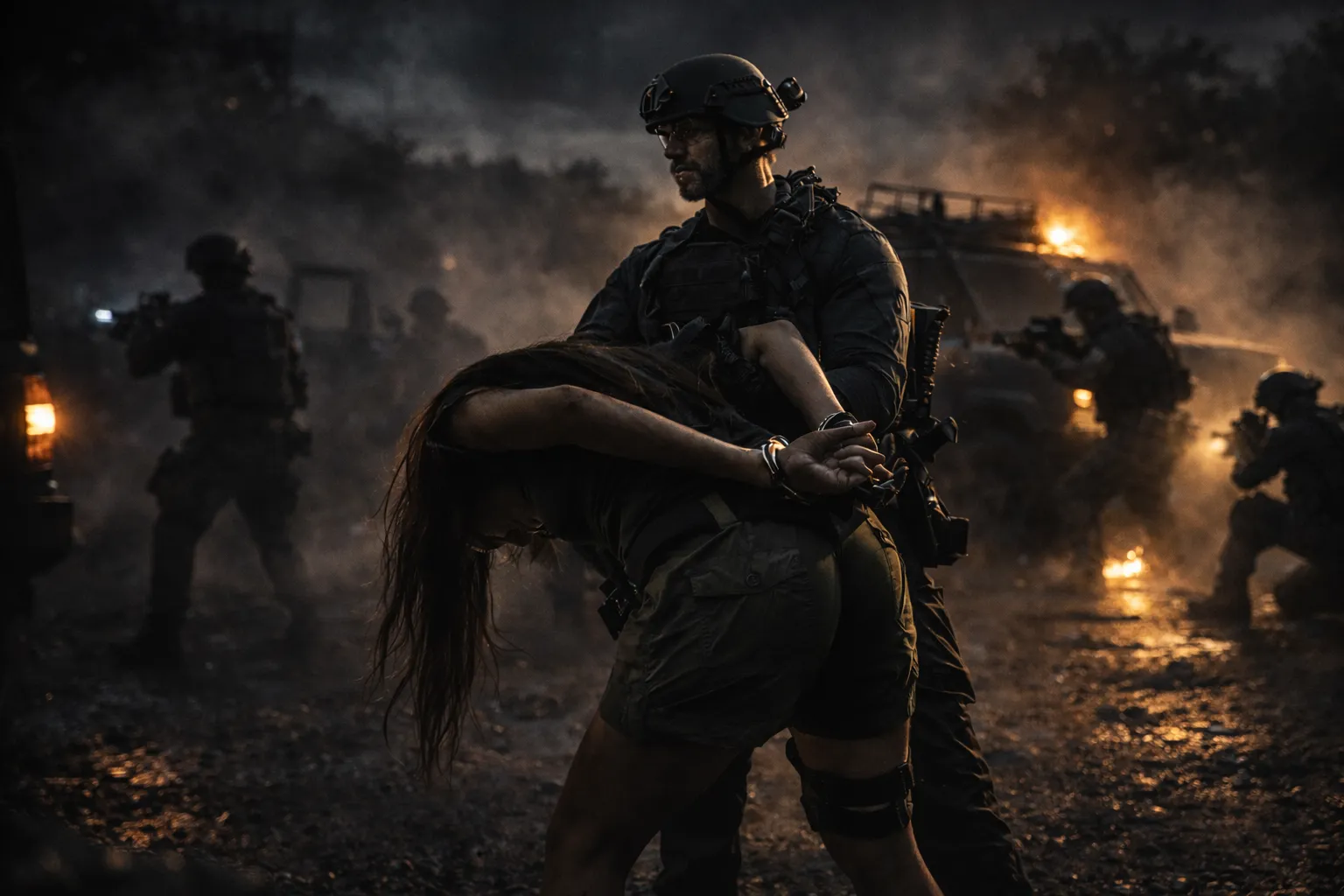
The Value of Intent and Its Realization
Intent is the conceptual foundation on which the entire project stands. Without a clear intent, the production would lack direction and coherence. In the preproduction phase, it is necessary to carefully define what the project's goal is and what means will be used to achieve it.
The realization of intent requires consistent planning and coordination of all production components. From location selection, through lighting and spatial arrangement, to postproduction adjustments—all these elements must be aligned with the original intent to ensure that the final output has the expected value and quality.
The value of intent manifests in every aspect of the project, from visual aesthetics to the emotional impact on the viewer. Careful planning and realization of intent in the preproduction phase is key to creating an output that is not only visually impressive but also meaningful and consistent with the original vision.
The preproduction phase is thus not only the most expensive but also the most important part of production, determining the quality and success of the entire project. It is an investment in consistency, precision, and the long-term value of the visual output.
Nezávazná poptávka — zaslání briefu (produkční řešení do 2 pracovních dnů). Ozvěte se nám →
Freemason.cz
Premium production studio Prague — commercial photography, tactical production, fashion editorial and scenic production. White-label, full rights transfer.