
Introduction to the Difference Between Documentation and Campaigns
In the realm of visual production, there are two primary approaches to content creation that are often confused: documentation and campaigns. Although both these approaches work with imagery and visual storytelling, their goals, methods, and outcomes differ significantly. Understanding these differences is crucial for choosing the right approach and achieving the desired outcome. In this article, we will explore the key aspects that distinguish documentation from campaigns and how these aspects influence the production process and output.
Defining Documentation in Visual Production
Documentation in visual production focuses on capturing reality as it unfolds. Its main objective is to create an authentic record of events, people, and environments, without significant interference with reality. This approach is often used in photojournalism, documentary films, or recording important events and moments.

In documentation, emphasis is placed on truthfulness and objectivity. The photographer or cameraman strives to be as unobtrusive as possible and capture the unfolding events naturally. In practice, this means minimizing staging and altering the world in front of the lens. The resulting image should be a faithful representation of reality, which often requires the ability to quickly react to changing conditions and have an eye for detail.
Documentation is often associated with ethical considerations, where respecting the privacy and dignity of subjects is necessary. Making the right decisions in these areas can have a crucial impact on the credibility and acceptance of the final work.
Characteristics of Campaigns in Visual Production
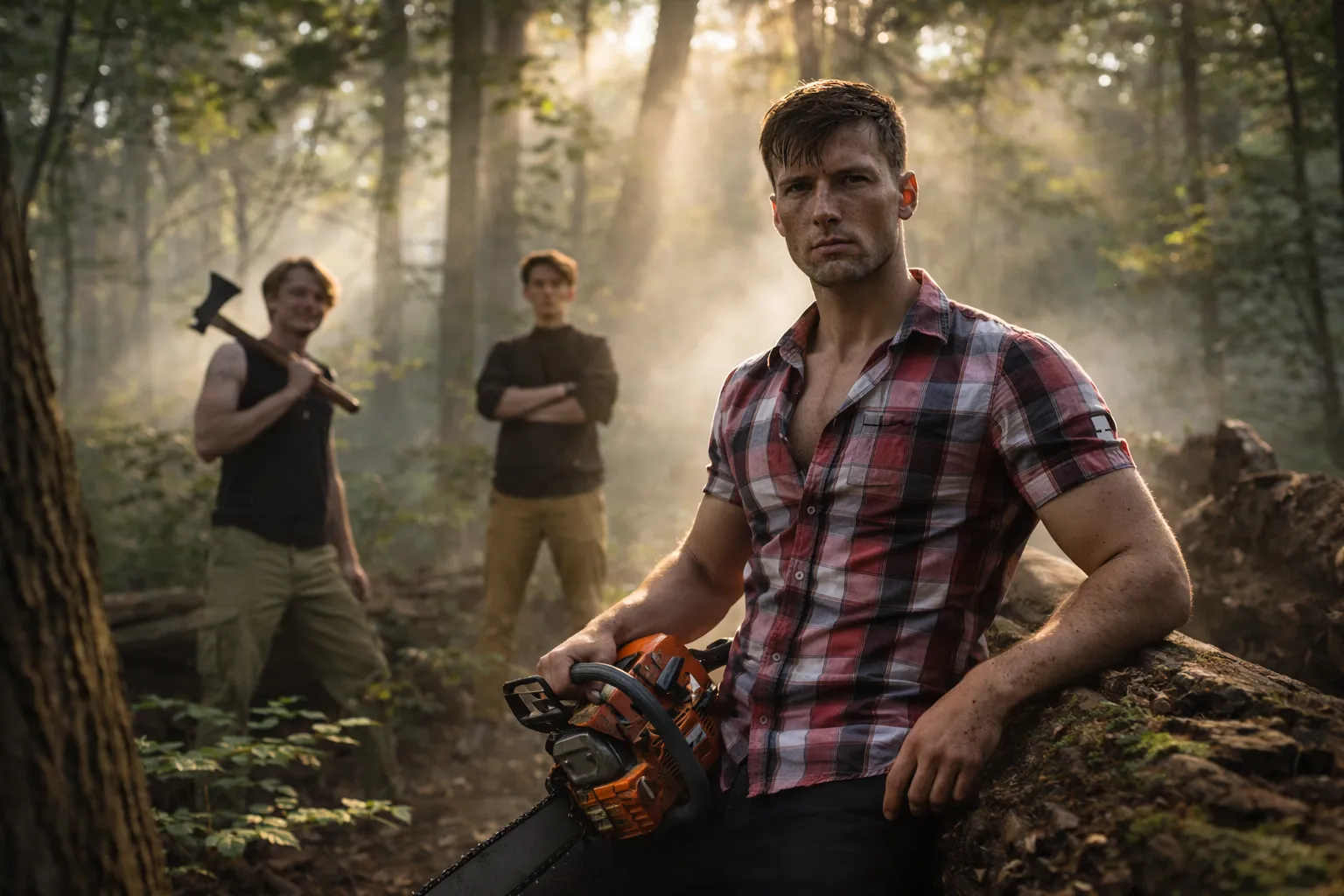
Unlike documentation, a campaign in visual production is focused on creating a specific message or promoting a brand, product, or idea. Campaigns do not focus on capturing reality but rather on creating an ideal image that appeals to the target audience and elicits the desired response.
In campaigns, the preproduction phase is critical, where every detail is planned—from lighting and composition to location and styling. The goal is to achieve the precise expression of the intent and message that the client requires. This differentiates campaigns from documentation, where there is room for interpretation and chance.

Campaigns often involve staging and use post-production adjustments to achieve the desired effect. Creative control is very important here and allows achieving a visual impact that is less common in documentation.
Documentation vs. Campaigns
The production process differs in documentation and campaigns primarily in the approach to lighting, space, and composition. In documentation, it is often necessary to work with natural light and environment, which requires adaptability and quick reaction to conditions. Conversely, in campaigns, lighting is carefully planned and controlled to match the intended purpose and atmosphere.

Space in documentation serves as an authentic backdrop with its own significance, contributing to the storytelling. In campaigns, space is more stylized and adapted to support the main message. This increases the potential for manipulation and staging, which is less desirable in documentation.
Composition in documentation often arises from the moment and natural arrangement of scenes. In campaigns, composition is carefully designed and controlled to guide the viewer's eye and enhance the visual impact of the message. This difference in approach is crucial for achieving the different goals of both types of production.

Output and Its Value
The outputs of documentation and campaigns have different values and purposes. Documentation focuses on truthfulness and authenticity, which can have historical, cultural, or social value. Such records can serve as important testimonies to events and societal changes.
Campaigns aim primarily for commercial or marketing purposes. Their value lies in the ability to effectively communicate with the target audience and elicit the desired response, whether it's purchasing a product, changing brand perception, or supporting certain ideas.

Both types of outputs have their place and significance in the broader context of visual communication, and the choice between them depends on the specific needs and goals of the client or project.
Implications for the Client and Campaign
The choice between documentation and campaigns has significant implications for the client and the overall production process. Documentation requires flexibility and the ability to quickly respond to changes, which can be challenging under tight time or budget constraints. The client must be prepared for a result that may be less predictable but more authentic.
Conversely, campaigns require precise planning and control over all aspects of production. For the client, this means higher demands on collaboration during preproduction and clearly defining expectations and intentions. The result is then more predictable and aligns precisely with the set goals.
Both approaches have their advantages and disadvantages, and their choice depends on the specific needs and possibilities of the client. An experienced production team can propose an optimal solution that considers all factors and delivers the best possible outcome.
Nezávazná poptávka — zaslání briefu (produkční řešení do 2 pracovních dnů). Ozvěte se nám →
Freemason.cz
Premium production studio Prague — commercial photography, tactical production, fashion editorial and scenic production. White-label, full rights transfer.