Transforming Space with a Fundamental Approach
In the world of production, an ordinary location is elevated into a visual scene through thorough planning and a controlled approach to light, space, and composition. This process begins in the preproduction phase, where essential decisions are made that define the value of the final output. In preproduction, not only the creative intent is set, but also technical aspects such as the direction and quality of light, the composition, and the overall atmosphere of the scene.
A typical production may require two to three weeks of preparation, during which the location is analyzed, various lighting scenarios are proposed, and necessary props are assembled. This period is critical for identifying potential issues and resolving them before the actual shoot or photo session. Another vital factor is control over the space—the arrangement of elements within the scene can dramatically alter the perception and mood we aim to achieve.
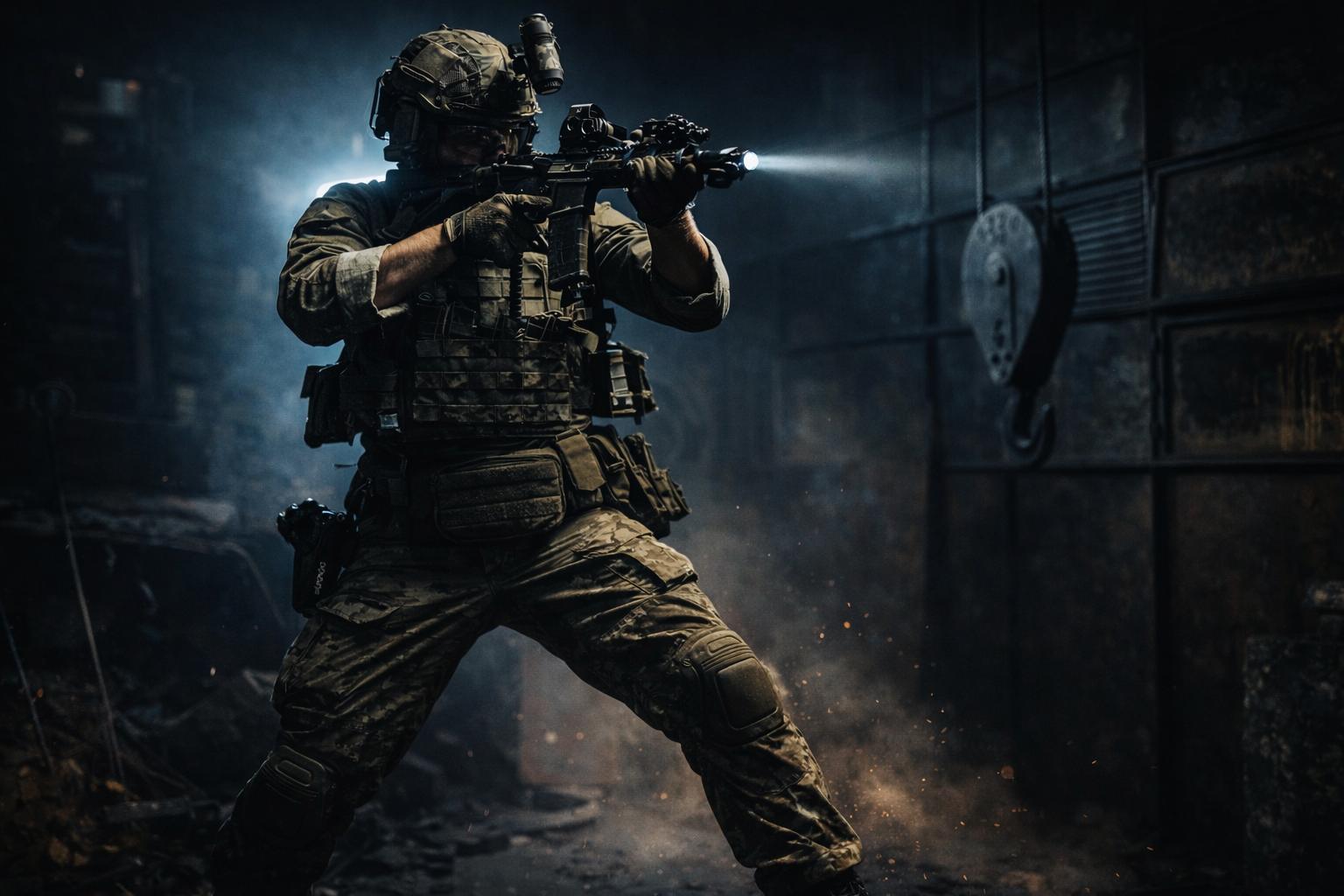
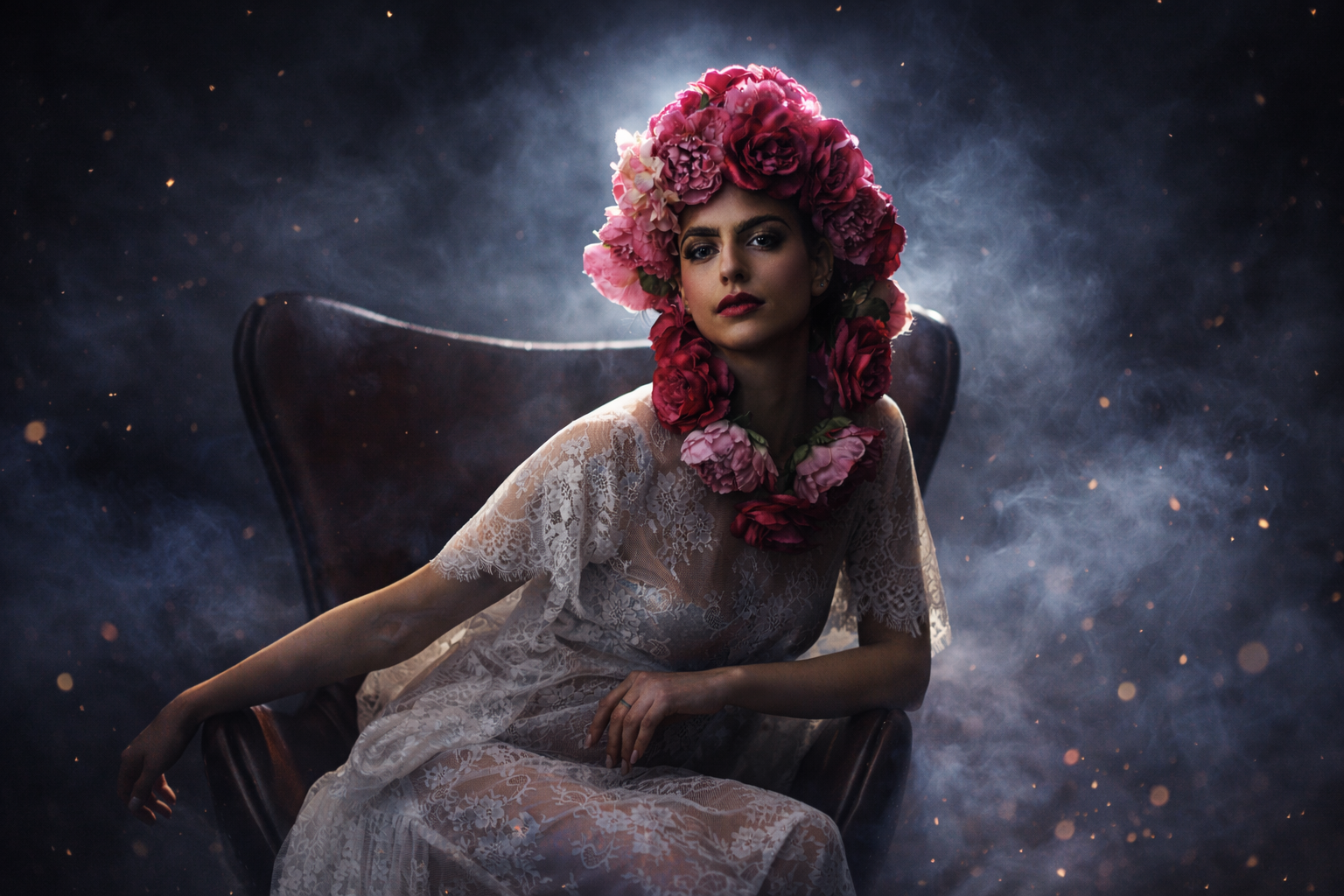
One specific example is when we transformed an abandoned factory into a set for a fashion editorial. In this case, we had to carefully assess the natural light streaming through broken windows and supplement it with artificial lighting to maintain the desired atmosphere. The placement of lights was crucial for creating dramatic shadows, which added depth and character to the scene.
Light as the Primary Tool
In the production process, light is one of the most important tools at our disposal. A well-lit scene can turn an ordinary location into a visually captivating environment that draws the viewer’s attention. Our studio specializes in working with light and manipulating it so that every element of the scene has its own significance.
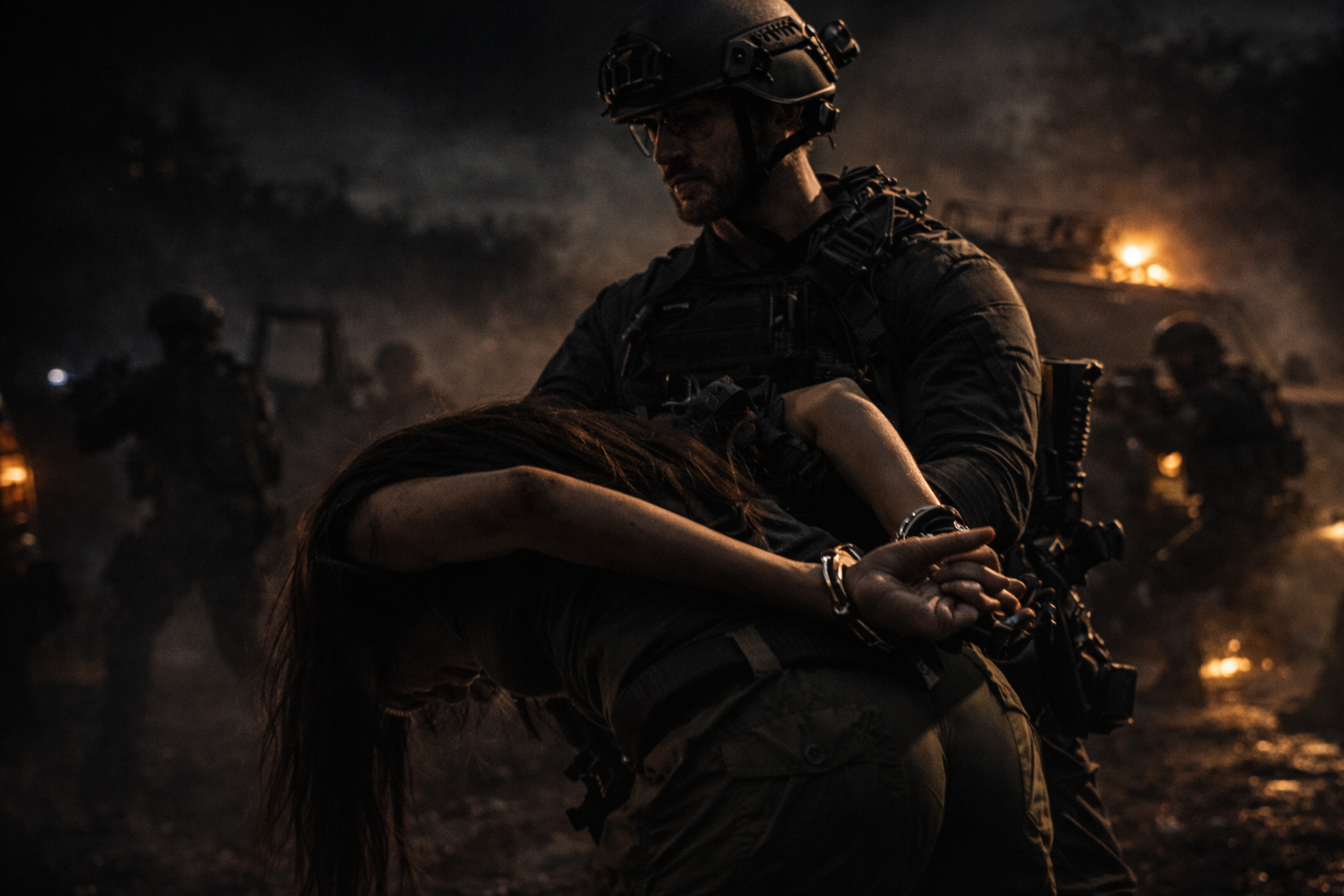
When working on location, we often use a combination of natural and artificial light. For example, when shooting outdoors, we might take advantage of the golden hour—the time just after sunrise or before sunset when the light is soft and warm. If such light is unavailable, we deploy reflectors and diffusers to simulate similar conditions.
On one of our productions in Scandinavia, we worked with minimal daylight during the winter months. It was necessary to choose alternative solutions, such as creating artificial daylight using powerful LED panels, which allowed us to preserve the authentic atmosphere of the Scandinavian environment. As a result, the campaign succeeded in maintaining the visual harmony that the client demanded.
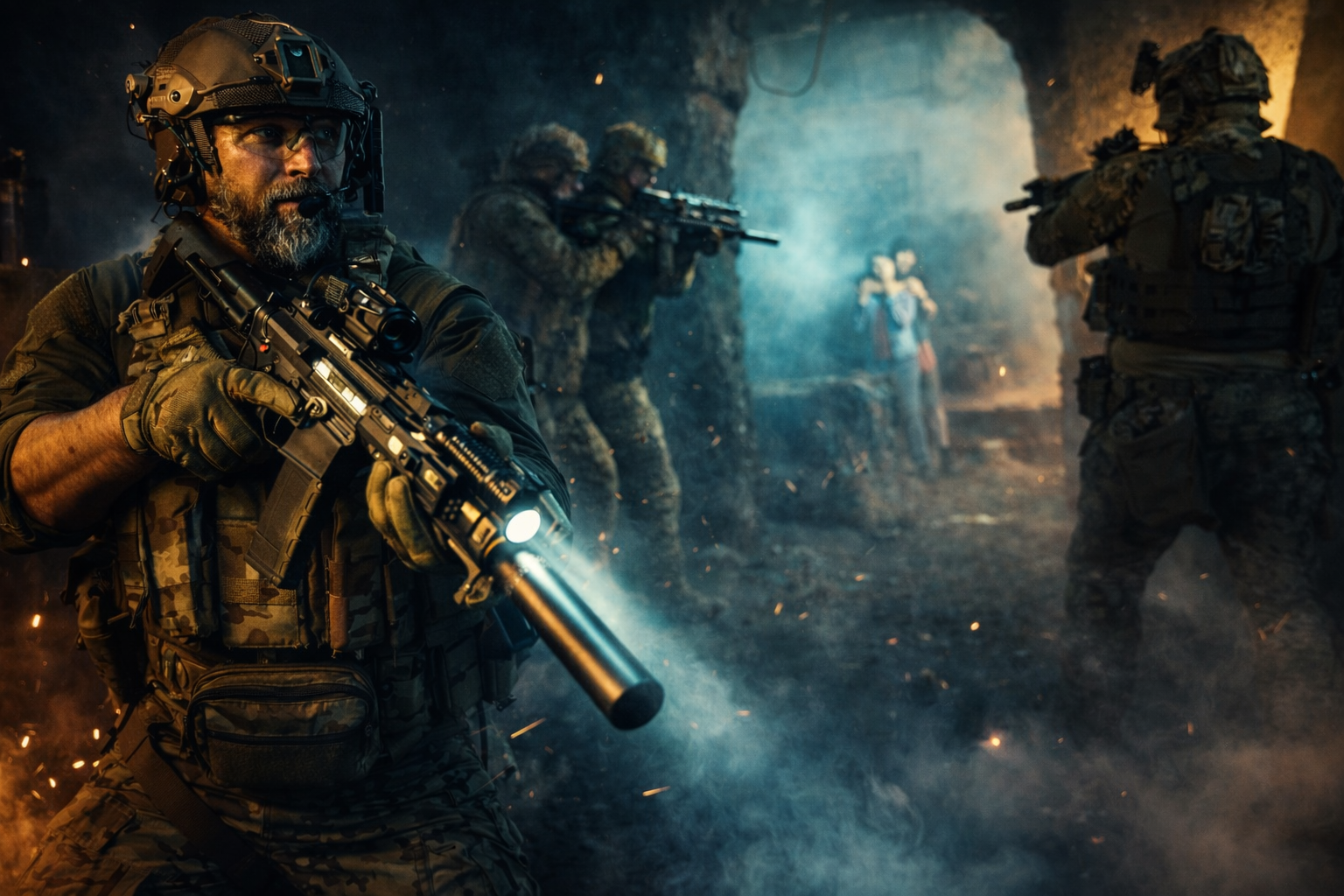
The Role of Space and Composition
Space is not just a backdrop but an active element that influences the overall impression of the scene. The proper use of space can emphasize the story and the intent of the campaign. It’s important not only what is present in the space, but also how individual elements are arranged and how they interact with the camera.
Our production solutions often include a thorough analysis of the space before the actual execution. In one anonymized project for an interior design manufacturer, we were tasked with creating visual material for a new product. The location—a modern villa with an open floor plan—was ideal for showcasing the product in a natural environment. The placement of furniture and decor was carefully planned to avoid distracting from the product itself while still supporting its functionality and aesthetics.
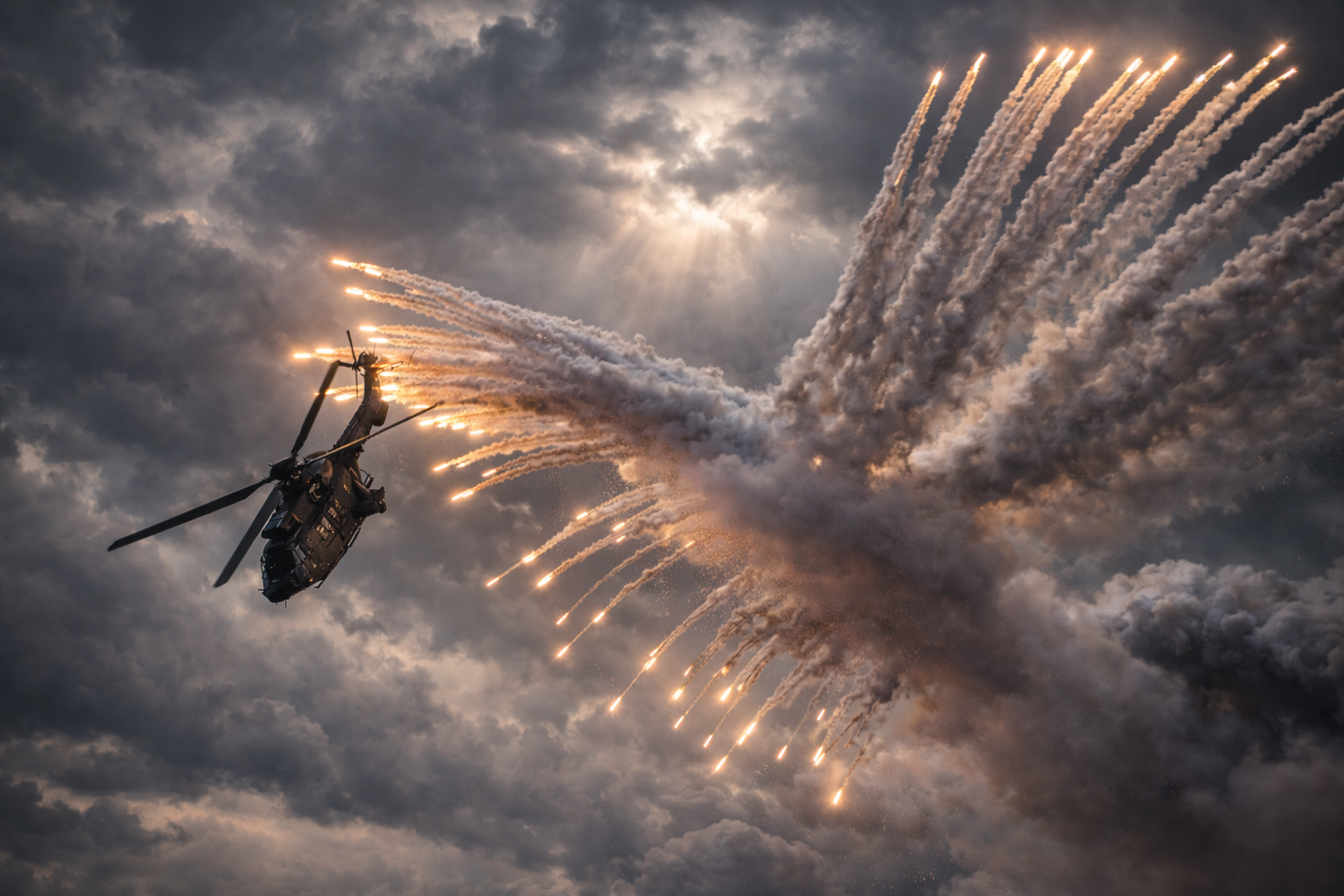
In another case, we had to create the illusion of a larger space within a small apartment. By using wide-angle lenses and carefully arranging elements, we achieved a sense of spaciousness without losing the intimacy of the setting. This ability to manipulate space is crucial for achieving the intended visual effect.
Preproduction as the Foundation of Success
Preproduction is the phase where the ultimate success of the production is determined. Every decision here directly impacts the quality of the final output. Preparation involves meticulous planning of all production aspects, from logistics and location scouting to details of composition and lighting.
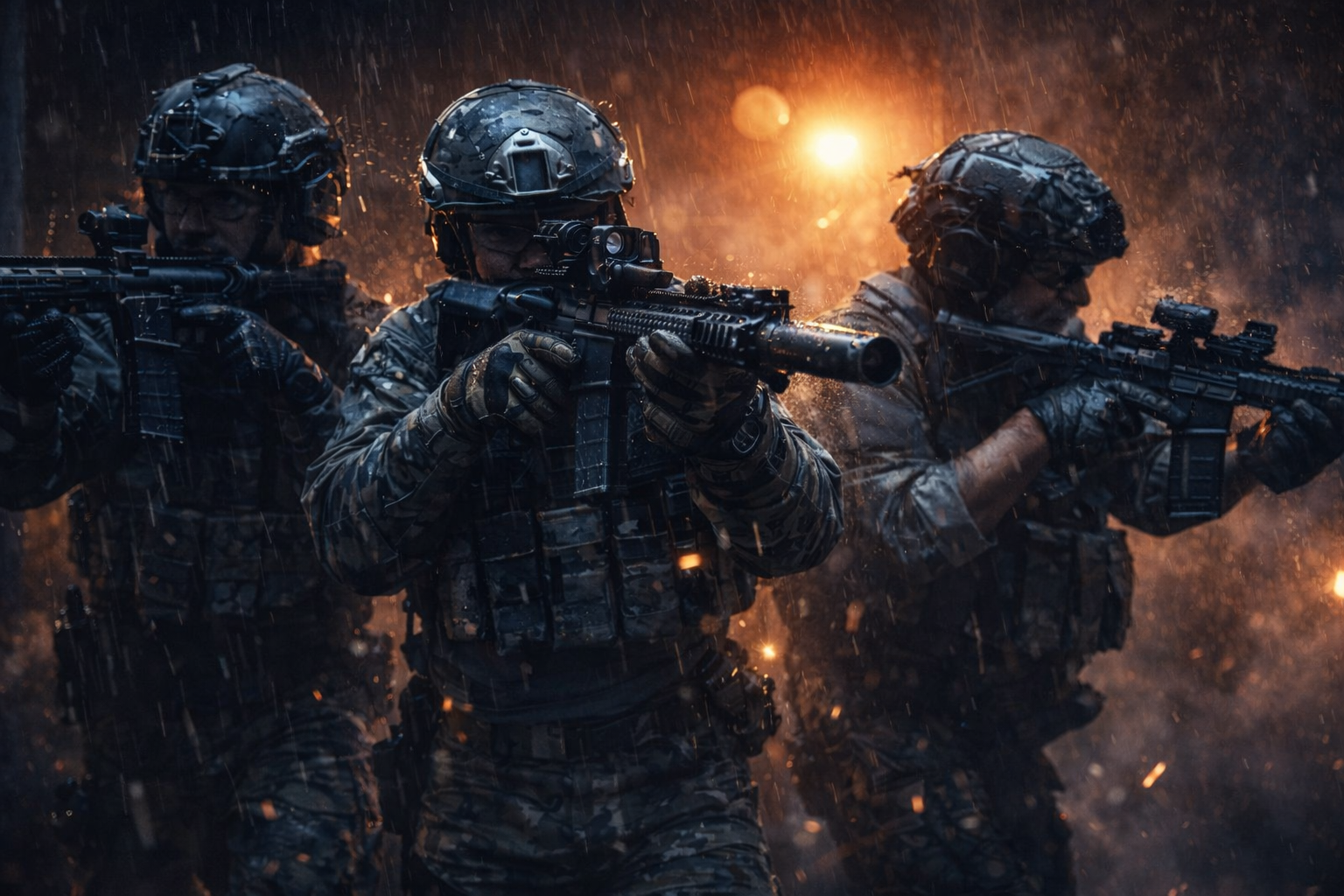
Typical preproduction for a campaign may include several key steps: selecting and scouting locations, planning lighting conditions, designing the composition, and securing all necessary technology and equipment. This process can take several weeks, depending on the complexity and requirements of the project.
Our experience shows that careful preproduction is an investment in quality. For example, in a project for an NDA client in the DACH region, we spent over 100 hours preparing and testing various lighting scenarios before settling on the final solution. The result was a visually consistent campaign that precisely matched the client’s requirements and delivered the expected results.
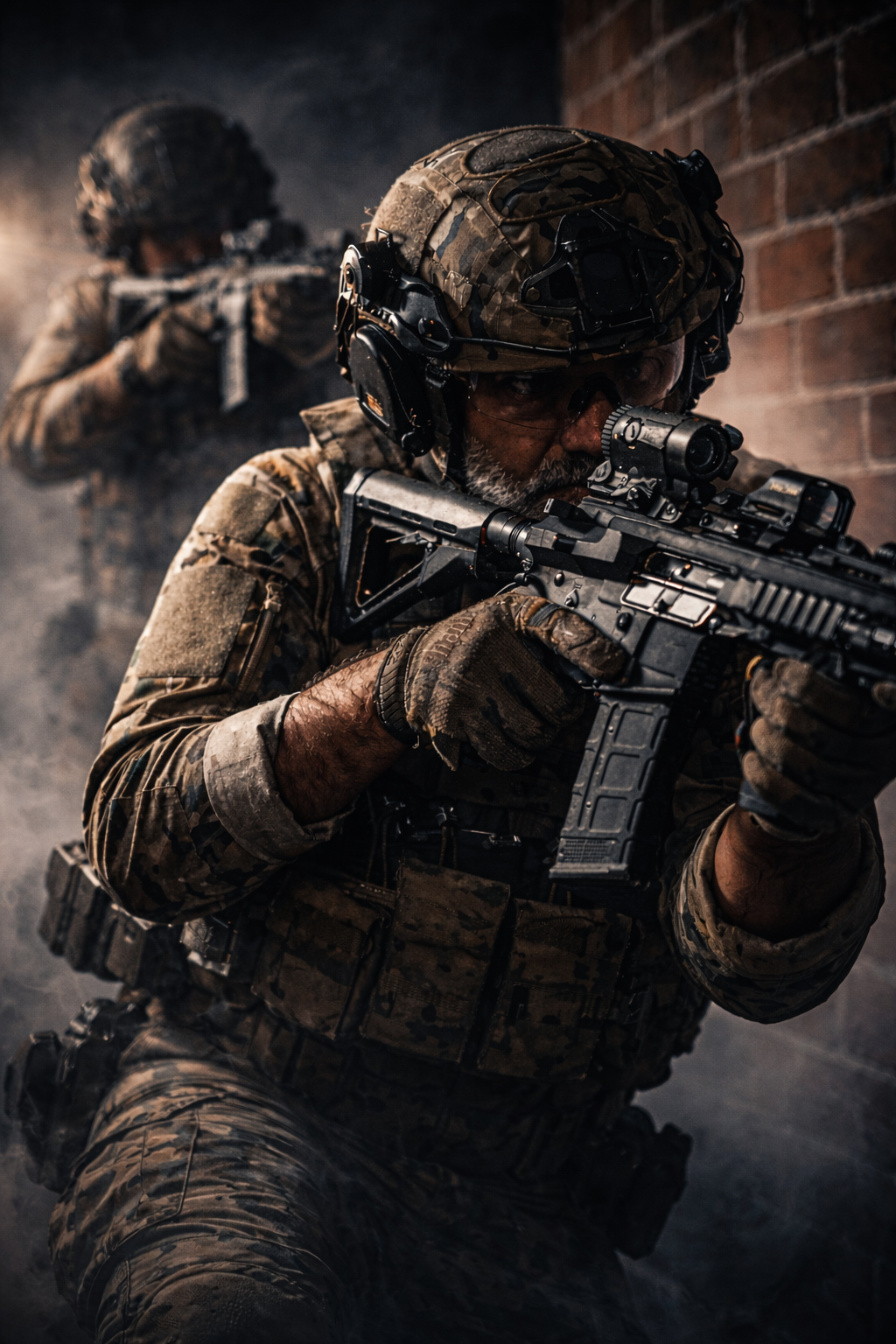
Scenic Production and Mastering the Elements
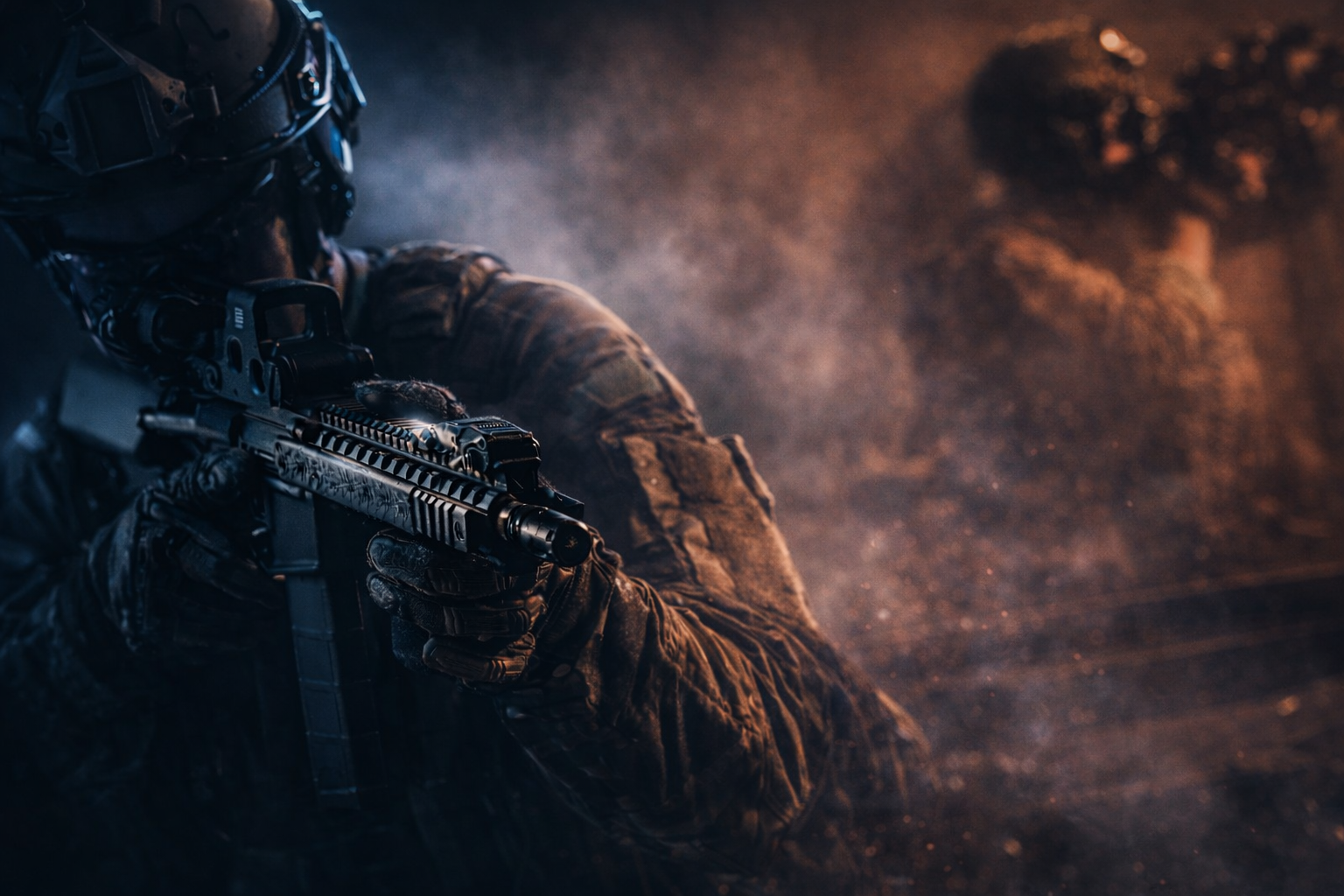
In some cases, it’s necessary to work with elements that introduce an additional level of challenge, such as pyrotechnics or live fire. These features can dramatically enhance the visual impact but require strict control and expertise to ensure safety and accuracy.
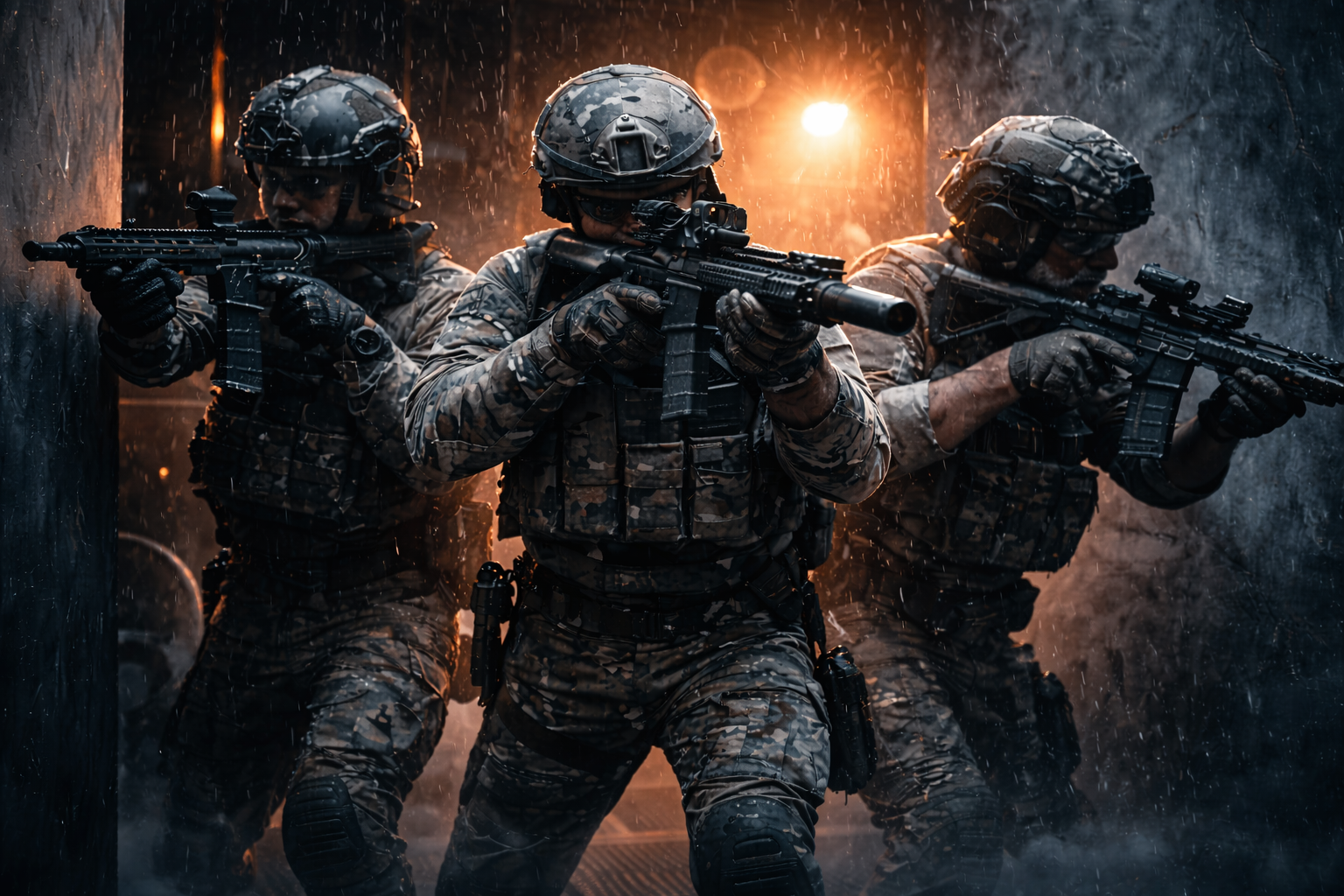
Freemason.cz has extensive experience staging tactical and scenic productions where working with live effects is essential. For a campaign with ZERO RANGE, we had to carefully coordinate the use of fire and pyrotechnics to ensure everything proceeded safely and without disrupting the planned output.
Working with live elements demands not only technical skills but also the ability to react quickly to changing circumstances. On one production, for instance, we faced unexpected windy conditions that threatened the safety and stability of open flames. Thanks to the presence of an experienced team and a swift response, we managed the situation and continued the production without delay.
Output Format and Its Impact on Production
When planning a visual scene, it’s important to keep the final output format in mind. Different formats require different approaches to lighting and composition. For example, video production has distinct requirements compared to still photography, both technically and aesthetically.
In our practice, it’s common for clients to request outputs in various formats, which demands flexibility in our approach. For instance, when working on a campaign for a luxury fashion brand, we had to produce both photographic materials for print and short videos for social media. Each of these outputs had different requirements for lighting and composition, necessitating special planning and preparation.
When working on such a project, it’s crucial to be clear about how each output will be used and what impact it should have. This allows us to optimize the production process and ensure that every output meets expectations and delivers the desired effect.
On a project for an outdoor equipment manufacturer, we faced the challenge of creating authentic visual material in extreme conditions. The decision to use portable LED panels instead of traditional reflectors allowed us to respond flexibly to changing weather and ensure consistent light quality. The result was a campaign that captured the true essence of outdoor life and resonated with the target audience.
Every step in the process of transforming an ordinary location into a visual scene is proof that control and careful planning are key to achieving high quality and authenticity. Freemason.cz specializes in creating these scenes with an emphasis on detail and precision, which is the cornerstone of our campaigns’ success.
Nezávazná poptávka — zaslání briefu (produkční řešení do 2 pracovních dnů). Ozvěte se nám →
Freemason.cz
Premium production studio Prague — commercial photography, tactical production, fashion editorial and scenic production. White-label, full rights transfer.