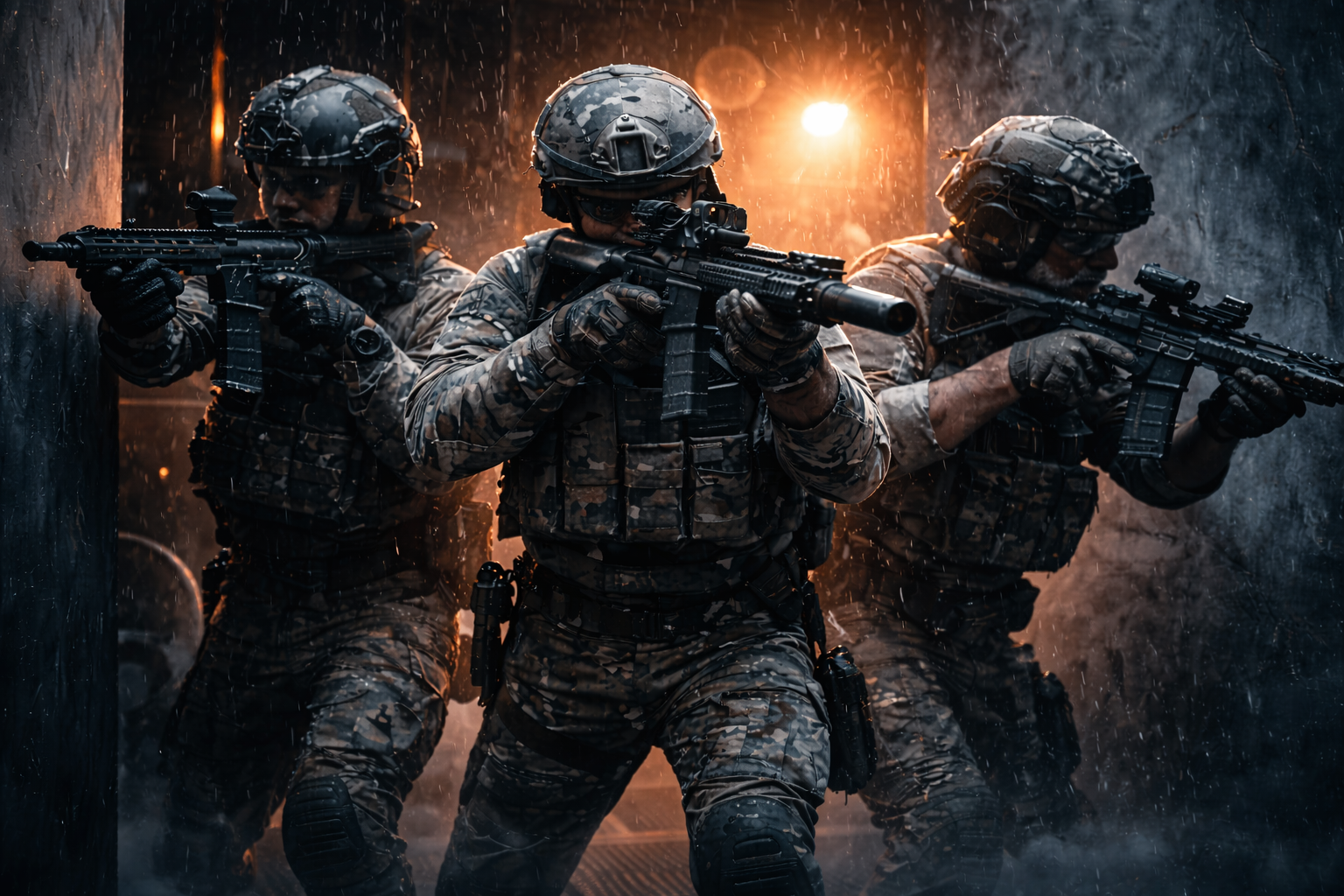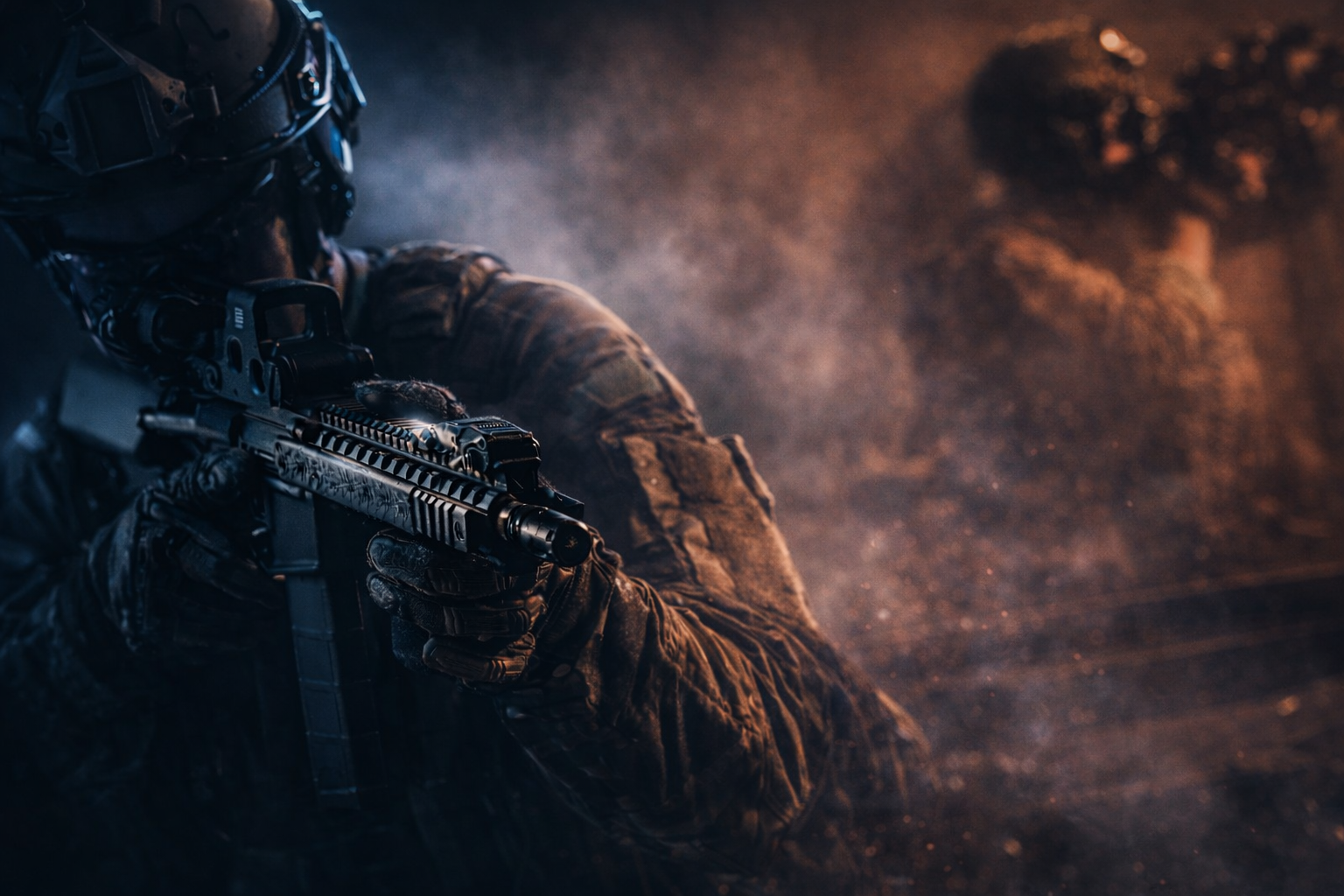
The visual quality of a film image is often evaluated based on various criteria, but one of the most significant factors is film lighting. The role of light in production is not merely a technical detail but a crucial element that can dramatically alter how an image is perceived. Proper lighting can not only enhance the aesthetic value of visuals but also strengthen the story, atmosphere, and emotional impact on the viewer. In this article, we will look at several specific examples of how well-chosen film lighting affects the assessment of visual quality.
Light as a Storytelling Tool
Light in film production is not just about illuminating scenes but about creating atmosphere and aiding in storytelling. When used purposefully, light can provide the viewer with valuable information about the setting, time, and even the emotions of the characters. For instance, in a production for [segment, region] — NDA, soft diffused light was used to support a calm and friendly atmosphere in the scene. This decision helped viewers better understand the psychological state of the characters and their interactions.
Contrasting lighting is another tool that can highlight tension and drama in a scene. In the ZERO RANGE production, we chose a sharp contrast between light and shadow, which added drama to the scene and supported a sense of danger and uncertainty. This approach not only increased the visual appeal of the scene but also contributed to a deeper understanding of the story's dramatic arc.

Technical Aspects of Lighting and Their Impact
The technical aspects of lighting, such as the choice of the right light sources and their placement, have a crucial impact on the final visual output. The choice between natural and artificial light, as well as their combination, can significantly affect the visual style. For example, in a production in Europe, we decided to use natural light, which added authenticity and naturalness to the scenes. This choice was key to maintaining the realistic look that was essential for the project.
Conversely, in productions that required specific visual effects, more sophisticated lighting techniques were necessary. The use of LED panels with adjustable color temperatures allowed for the creation of various atmospheres and precise control of the visual style. In a production carried out in the United States, these techniques enabled us to shoot scenes set in different times of day in a single day, which would not have been possible without precise lighting.
Preproduction as a Key Phase
Preproduction is the phase where many aspects that will affect the final result are decided, and lighting is no exception. In this phase, it is crucial to carefully plan every detail regarding the lighting conditions to be used during filming. This typically involves selecting the technique, planning the placement of lights, and testing various lighting scenarios to ensure that the visual intent is correctly realized.

One specific example is a production where we spent over 40 hours planning the lighting conditions for a key scene. The decision to choose a specific type of lights and their placement had a significant impact on the final visual output, which was subsequently highly praised by both the client and industry experts. Without thorough preparation, it would have been challenging to achieve the desired visual quality.
The Influence of Light on Postproduction
The role of light does not end when the scene is shot. It also has a significant impact on the postproduction phase, where the image is edited and finalized. Quality lighting can save a considerable amount of time and costs in postproduction because properly lit scenes require fewer adjustments and corrections. This is especially true for productions that emphasize a realistic appearance and minimal use of digital effects.
In productions where light was carefully controlled and planned, the postproduction team could focus more on subtle adjustments and creative enhancements of the image, rather than having to correct basic errors caused by poor lighting. This approach not only increases the quality of the output but also optimizes the entire production process.

In one of our productions for a fashion brand, we faced the challenge of rapidly diminishing natural light. We decided to deploy LED panels on the fly, which maintained a consistent lighting atmosphere. This allowed us to finish filming without compromising quality and saved two hours in postproduction.
Light as Part of Visual Identity
Light plays a key role not only in individual projects but also in defining a brand's visual identity. For many clients, it is important that their visuals have a consistent style that reflects their values and mission. This requires careful planning and control of lighting conditions across all productions.
For example, brands that emphasize luxury and exclusivity often use soft, subdued lighting that highlights details and creates a sense of sophistication. Conversely, for dynamic, youthful brands, sharp and contrasting lighting may be typical, adding energy and vibrancy. Each of these approaches requires specific lighting techniques and thorough planning to fulfill the visual intent.
Ultimately, film lighting is an indispensable tool that significantly influences the assessment of visual quality. The right choice and precise control of lighting conditions can transform a good project into an unforgettable experience that not only captivates the viewer but also leaves a lasting impression. In production practice, it is therefore essential to pay maximum attention to lighting and use it as a key element to achieve high visual quality.
Nezávazná poptávka — zaslání briefu (produkční řešení do 2 pracovních dnů). Ozvěte se nám →
Freemason.cz
Premium production studio Prague — commercial photography, tactical production, fashion editorial and scenic production. White-label, full rights transfer.