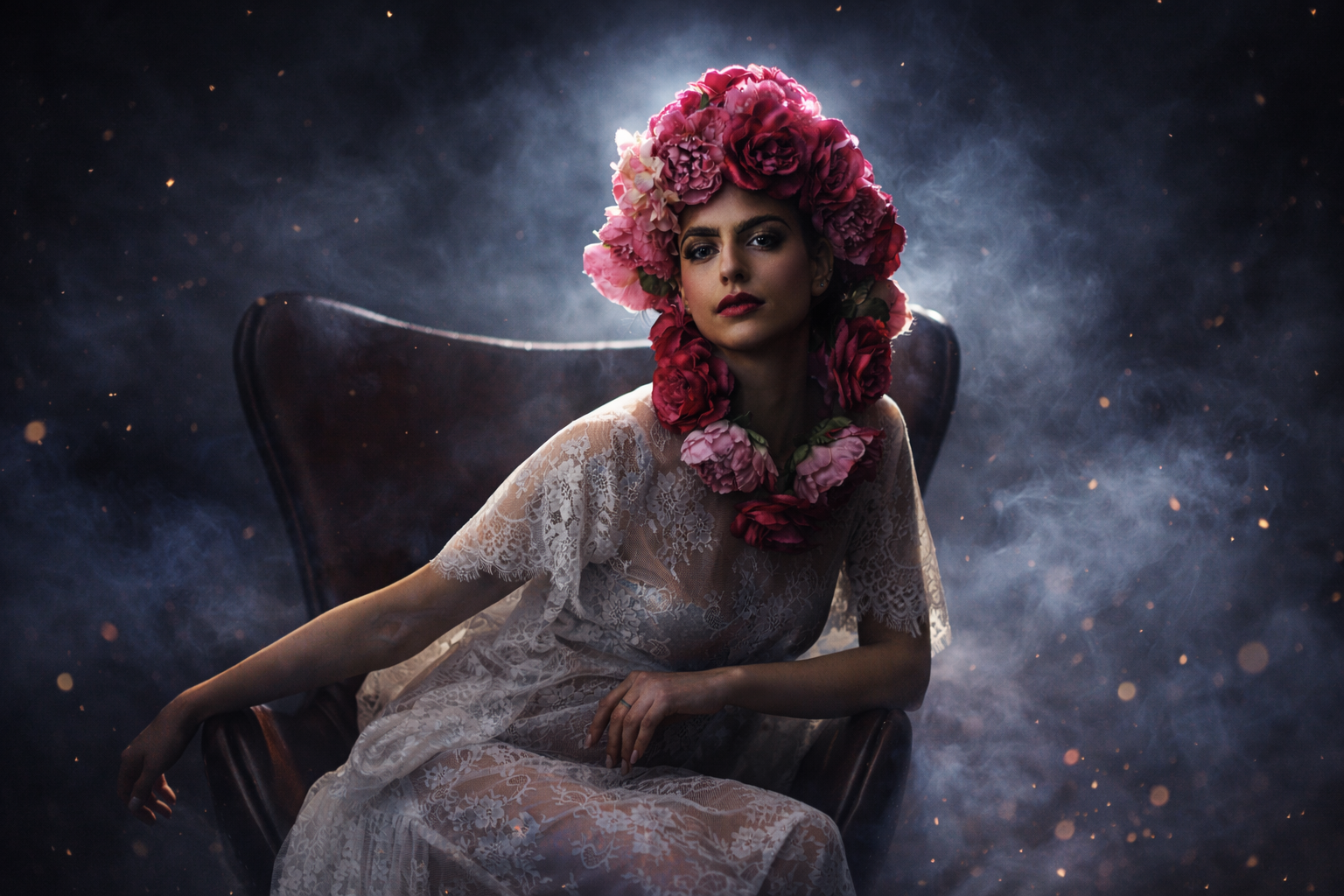
In the world of fashion editorials, layering is not just a technique but an art form that significantly influences the final output. Layering brings depth, dynamism, and complexity, which are crucial for creating a unique visual. This technique allows storytelling through clothing, light, and space, which is absolutely essential for a production studio like Freemason.cz. But what does layering actually mean, how do we apply it in practice, and what impact does it have on the final outcome?
Constructing Images with Layering
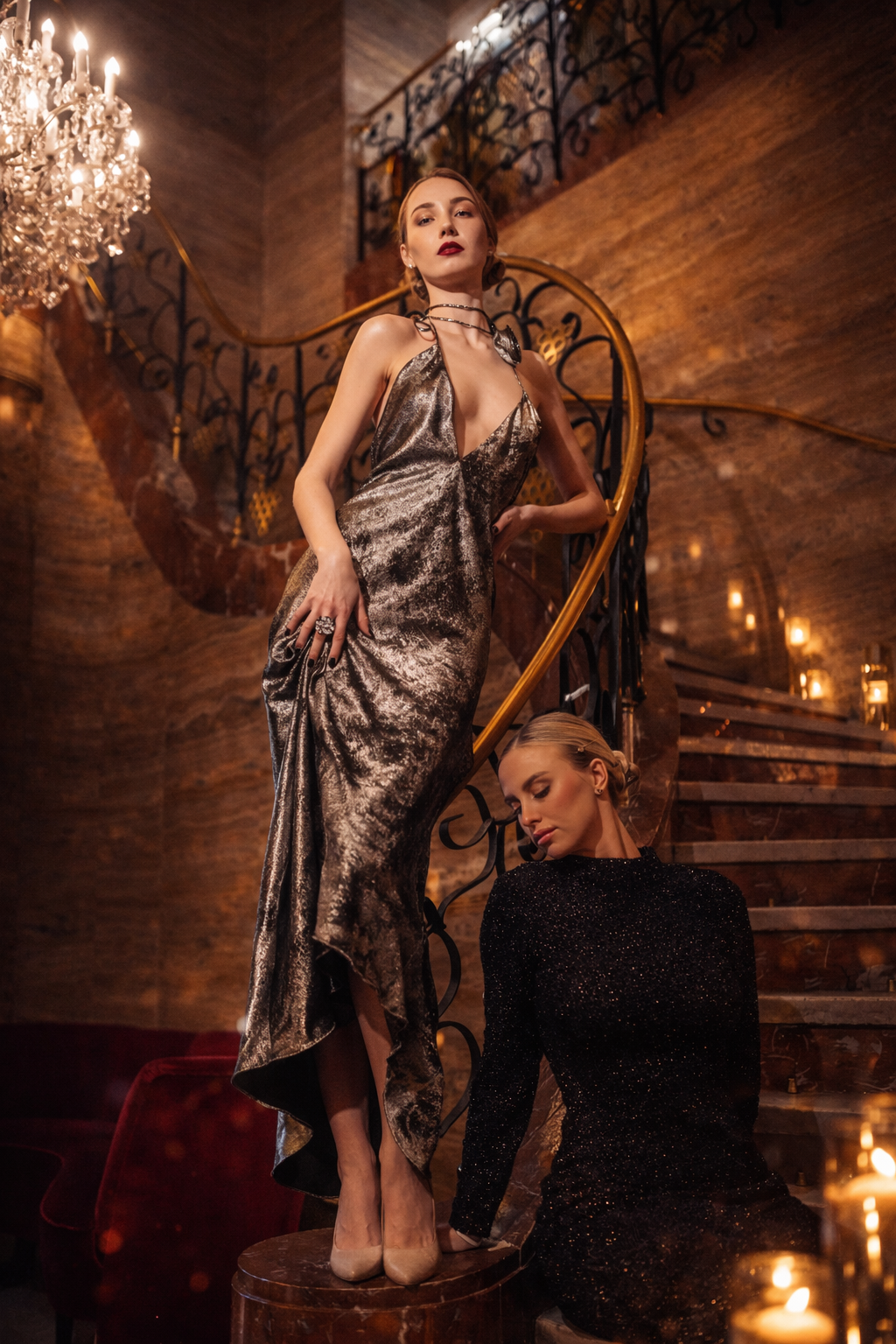
Layering in fashion editorials is not just about combining different garments. It involves carefully assembling elements that form a complex visual composition. The key is to connect textile material with the environment, light, and other elements that together create a harmonious whole. When we look at one of our productions, where we worked with five different layers of clothing, each had its significance and contributed to the overall impression. Proper layering can add the necessary depth and texture to a photograph, which is absolutely crucial for the final effect.
Layering also allows certain elements to be highlighted or subdued. For example, light can be used to emphasize the structure of fabric or design details. In one of our projects for a fashion brand, we used three different light sources to achieve the desired effect, which took over 10 hours of preparation.
Preproduction as the Foundation of Success
The preproduction phase is crucial in the context of layering. This is where decisions are made about which layers will be used and how they will interact. When preparing for a fashion editorial, it is necessary to consider all aspects from the color palette to the textures of materials. For instance, in our NDA production in the fashion industry, we dedicated over 80 hours to preproduction to ensure that each layer had its purpose and brought something unique to the visual.
In preproduction, we also decide on the intention of the entire editorial. Each layer must serve to achieve this intention, whether it is storytelling, emphasizing a particular element, or creating a certain atmosphere. This process is demanding and requires precise planning, but the resulting effect is worth it.
The Role of Space in Layering
Space plays an irreplaceable role in the layering process. It is not just a backdrop but an active element that affects the overall impression. A properly chosen space can support layering by adding another level of dynamism and depth. For example, in a recent project, we used a historical industrial hall, which with its texture and lighting conditions supported the overall concept of layering.
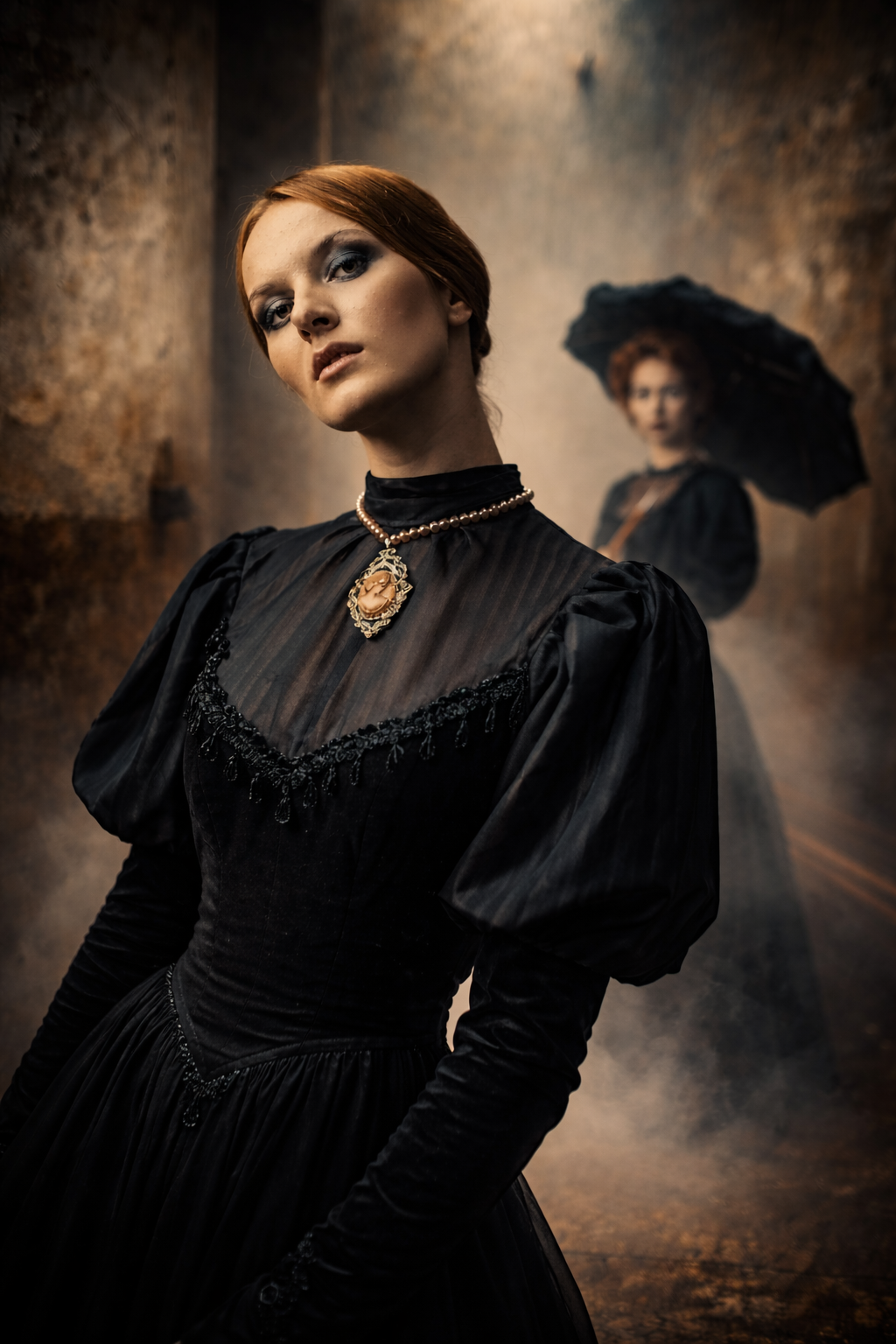
The choice of space is often a decision made early in the preproduction phase. Its ability to interact with other elements, such as light and colors, must be considered. Our experience shows that the right choice of space can reduce the time needed for post-production by up to 20%, as we achieve the desired effect already during the shooting itself.
Practical Insights
One of our productions involved shooting in an abandoned warehouse with unique lighting conditions. We decided to layer textures and colors that the space offered. The result was visually impressive and convincing, which led to increased interest from the target audience in the product.
The Impact of Layering on Output Value
Layering has a direct impact on the perceived value of the output. Complex and well-thought-out layering can elevate an editorial from an average level to a premium one. This is subsequently reflected in the commercial success of the campaign. Clients who perceive a higher value in visuals are willing to invest in more expensive products, which can increase sales figures by tens of percent.
For example, our collaboration with [segment], [region] — NDA led to a 30% increase in sales after we used a layering strategy in production. The client's investment in a sophisticated editorial paid off several times over.
Light as a Tool for Layering
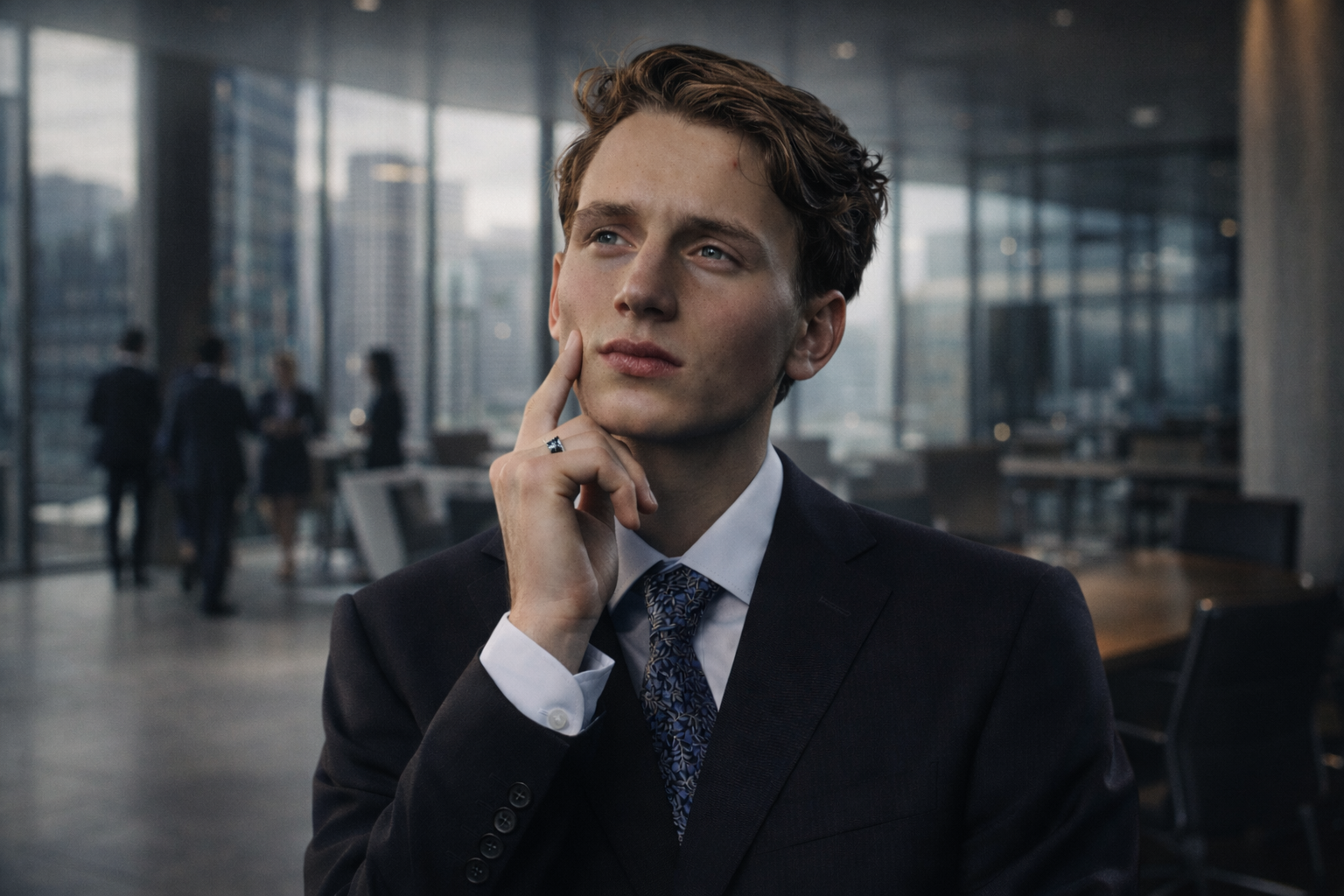
Light is one of the most important tools in layering for fashion editorials. It can emphasize individual layers and give them the necessary plasticity. The combination of different light sources and techniques can fundamentally change the perception of the entire visual. In one of our projects, we used seven light sources to achieve a dynamic and deep effect, which significantly contributed to the overall success of the campaign.
Each light source must be carefully placed and set to precisely match the intention. In a high fashion production, for example, we used a special lighting technique against the direction of the main light, achieving a dramatic effect and highlighting the texture of the fabrics.
Layering in fashion editorials is not just an aesthetic element but a strategic tool that can significantly influence the value and success of the entire campaign. Its proper use requires careful planning and precise execution, but the resulting effect is unmistakable and brings commercial success. For Freemason.cz, layering is one of the pillars that define our production philosophy, thanks to its ability to transform visuals into forms that not only capture attention but also sell.
Nezávazná poptávka — zaslání briefu (produkční řešení do 2 pracovních dnů). Ozvěte se nám →
Freemason.cz
Premium production studio Prague — commercial photography, tactical production, fashion editorial and scenic production. White-label, full rights transfer.