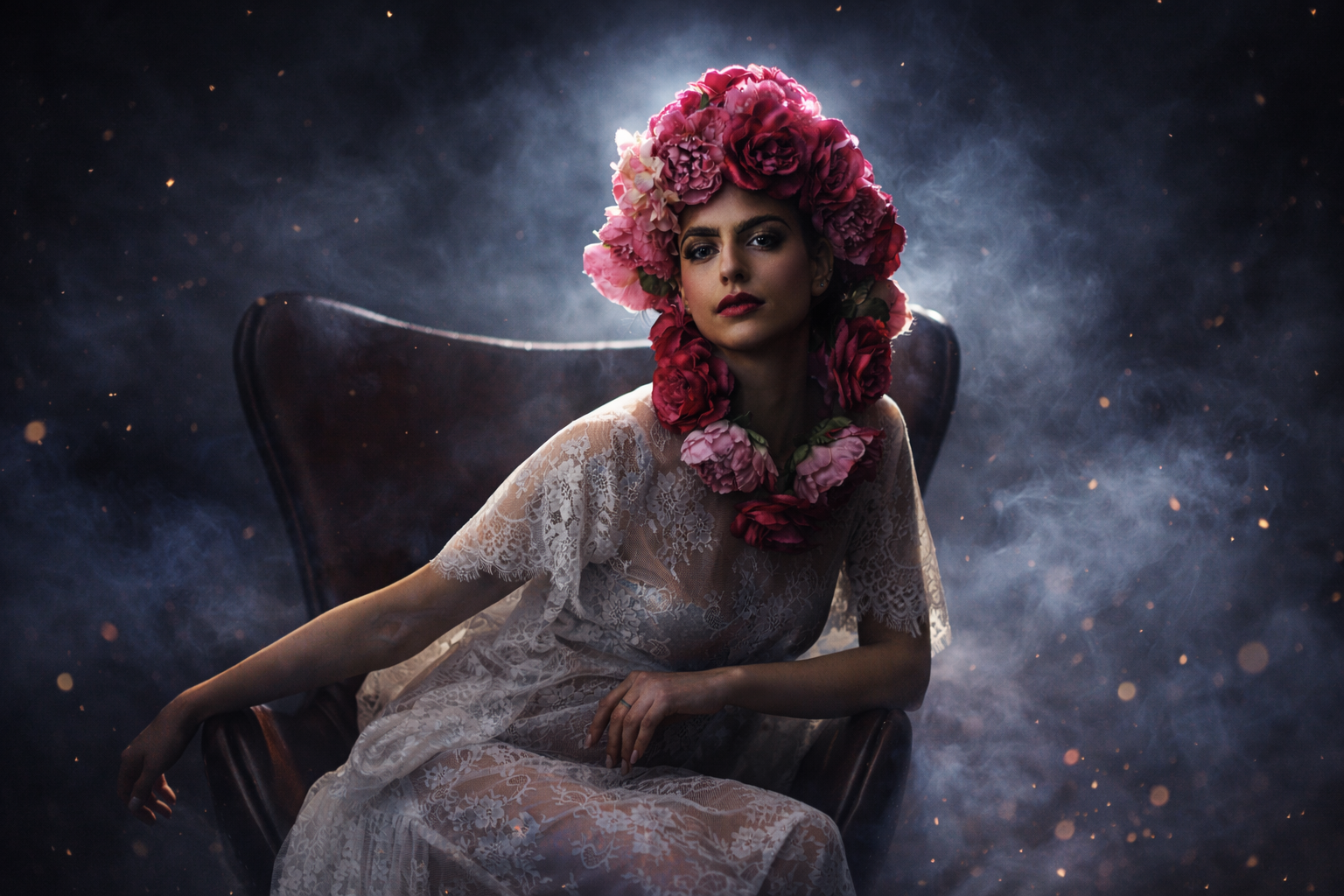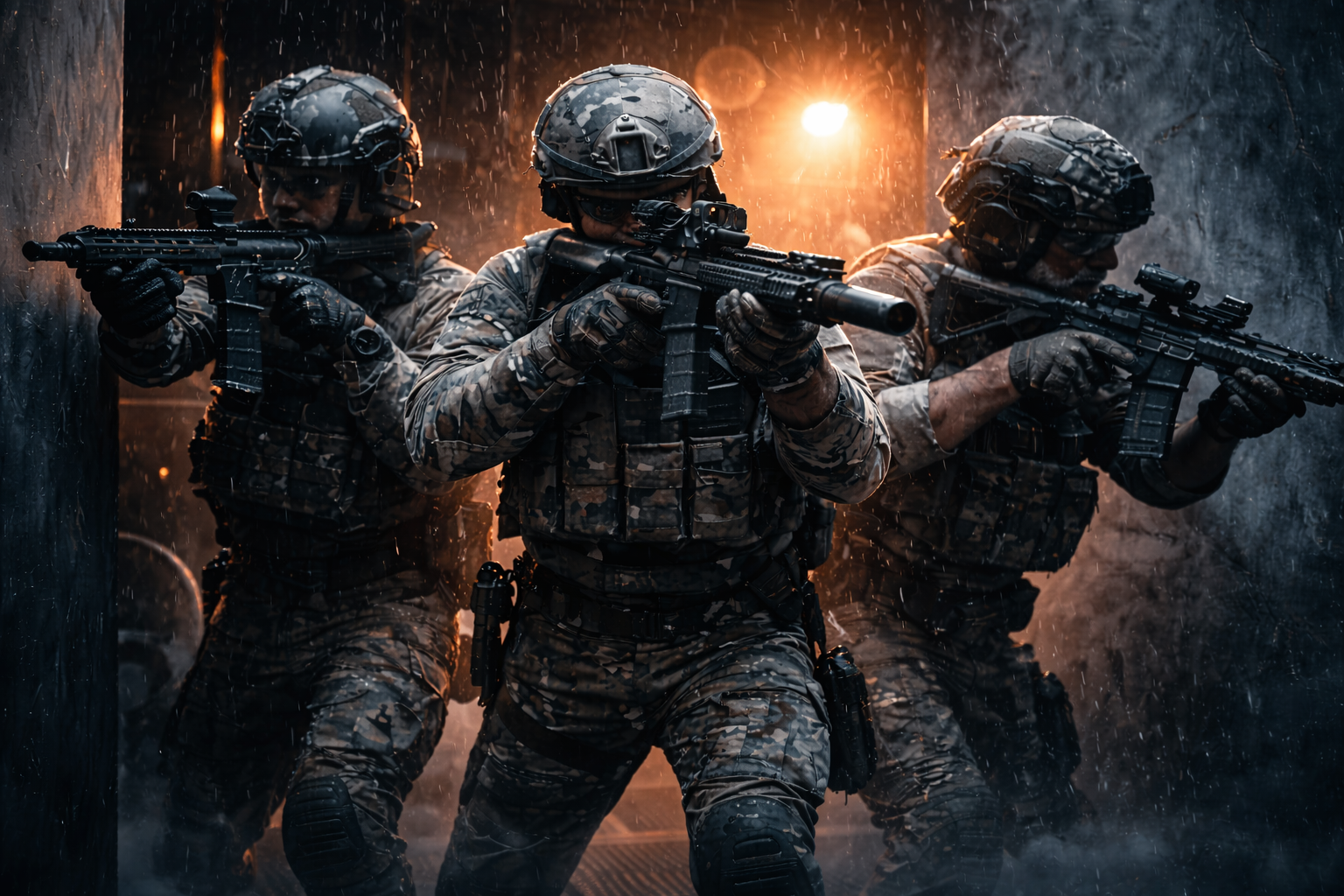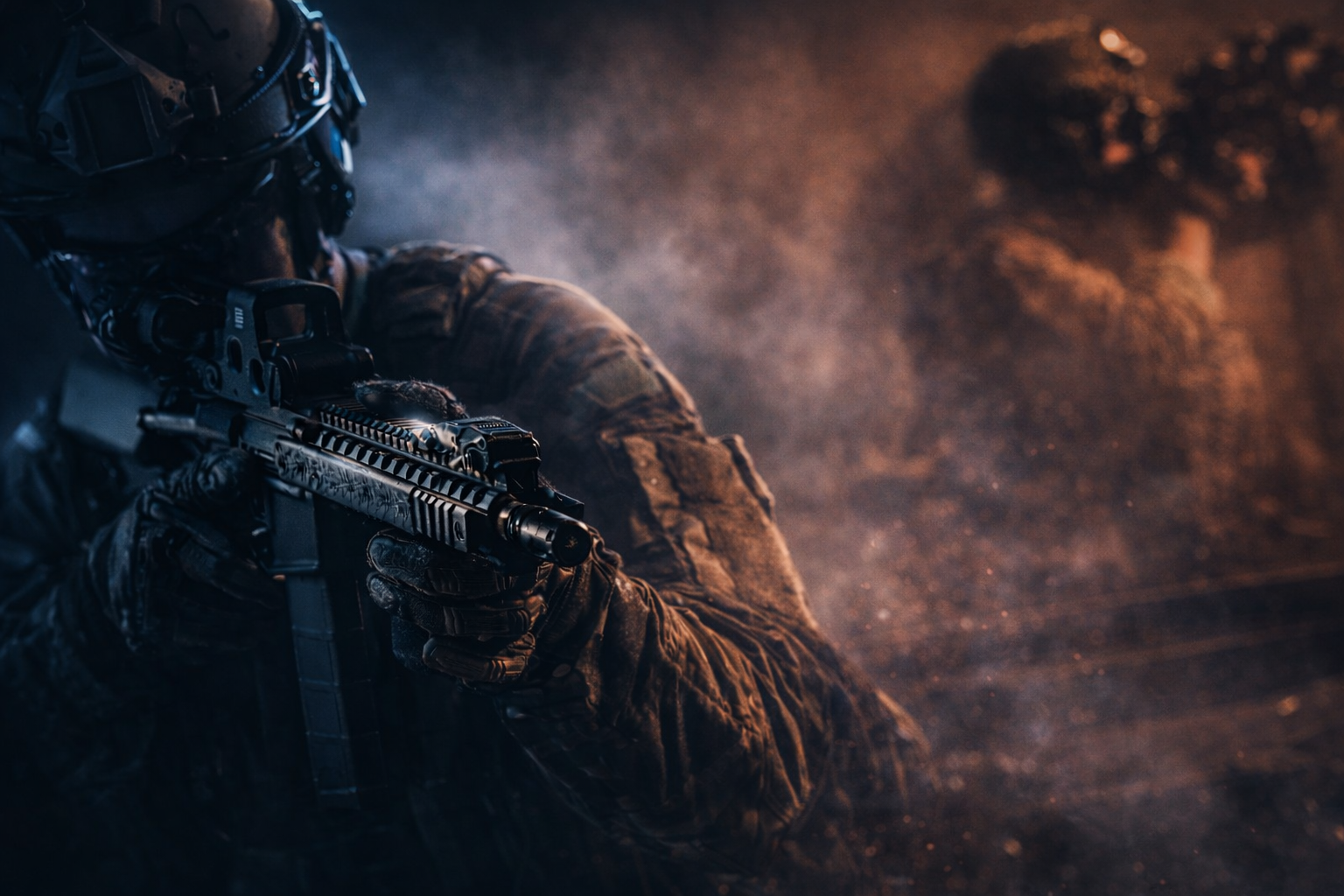
When people prepare for a photoshoot, they are very often asking the wrong question.
They ask where to put their hands. How to angle their head. Whether to smile. Where to look. How to stand so they don't appear unnatural. They search for a specific gesture, the right pose or a universal guide that will help them look better in front of the lens.
But this is precisely where most thinking about photography begins — and ends — at the surface.
In reality, the problem almost never lies in the hands, the posture or the smile. The real problem arises in the moment when a person becomes aware of their own image. When they stop being part of the situation and start thinking about how they appear.
That is the moment when reality becomes performance.
And that is the moment when most photographs begin to lose their force.
Photography Does Not Show How a Person Looks
One of the greatest misconceptions of contemporary visual culture is the belief that photography shows appearance.
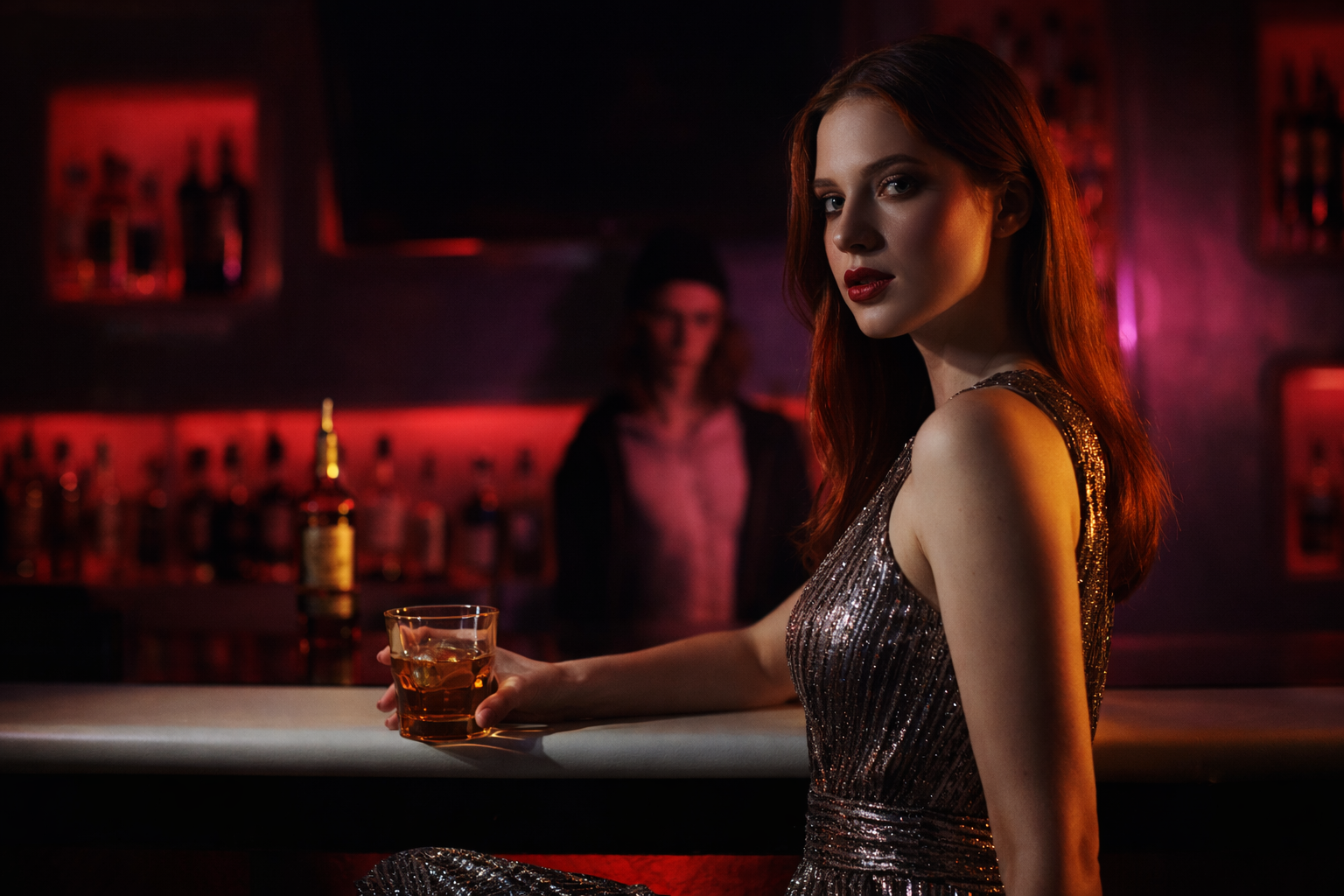
It does not.
It shows impression. It shows energy. It shows credibility. It shows standing. It shows the relationship between a person and the space they inhabit.
That is why two people in the same clothing, in the same room, photographed with the same technique, can produce entirely different impressions. One will read as someone the viewer immediately believes. The other as someone trying to play a role.
The difference between them rarely lies in the face.
It lies in how the image was made.
A strong portrait is not the result of chance. It does not arise because a photographer captures the right moment. It arises when every element of the image is constructed to support the same statement.
Light. Space. Composition. Expression. Distance. Atmosphere.
Each of these layers influences how a person will be perceived.
And that is precisely why photography is not a record of reality. It is a managed construction of attention.
The Problem Is Not the Pose. The Problem Is Self-Awareness
Most people in front of a camera are not trying to be natural.
They are trying to look natural.
And between these two things there is a fundamental difference.
The moment a person begins to control their expression, they begin to control their movement. The moment they begin to control their movement, they begin to control their entire behaviour. The body contracts. The gaze loses certainty. Energy breaks apart into individual details.
Presence is replaced by control. Authenticity is replaced by strategy. The person disappears and is replaced by their idea of how they should look.
The viewer usually cannot name this difference. Yet they recognise it immediately.
In the same way they recognise the difference between real fire and a digital effect. In the same way they recognise the difference between a real environment and a set. In the same way they recognise the difference between authority and the effort to project authority.
Credibility does not arise from performing it.
Credibility arises when the image has no reason to pretend.
The Pose Is the Last Five Percent
One reason the internet has been flooded with thousands of posing guides is that the pose is visible.
It is easy to show where to put a hand. It is easy to explain the rotation of the shoulders. It is easy to draw the correct angle of the head.
What is far more difficult is to explain why some photographs work before the person has even stepped in front of the camera.
But that is precisely where the result is decided.
The pose is the last few percent of the entire process. Before it exists the environment in which the photograph is made. There is light that creates volume. There is space that determines the relationships between the layers of the image. There is a mode of communication. There is the pace of the production. There is the atmosphere of the whole situation.
If these elements are built correctly, the person begins to appear natural almost automatically.
If they are not, no learned pose will save the result.
In the same way that expensive furniture will not save a badly designed house.
Light Determines More Than Appearance
At Freemason.cz, light is understood differently from most conventional production.
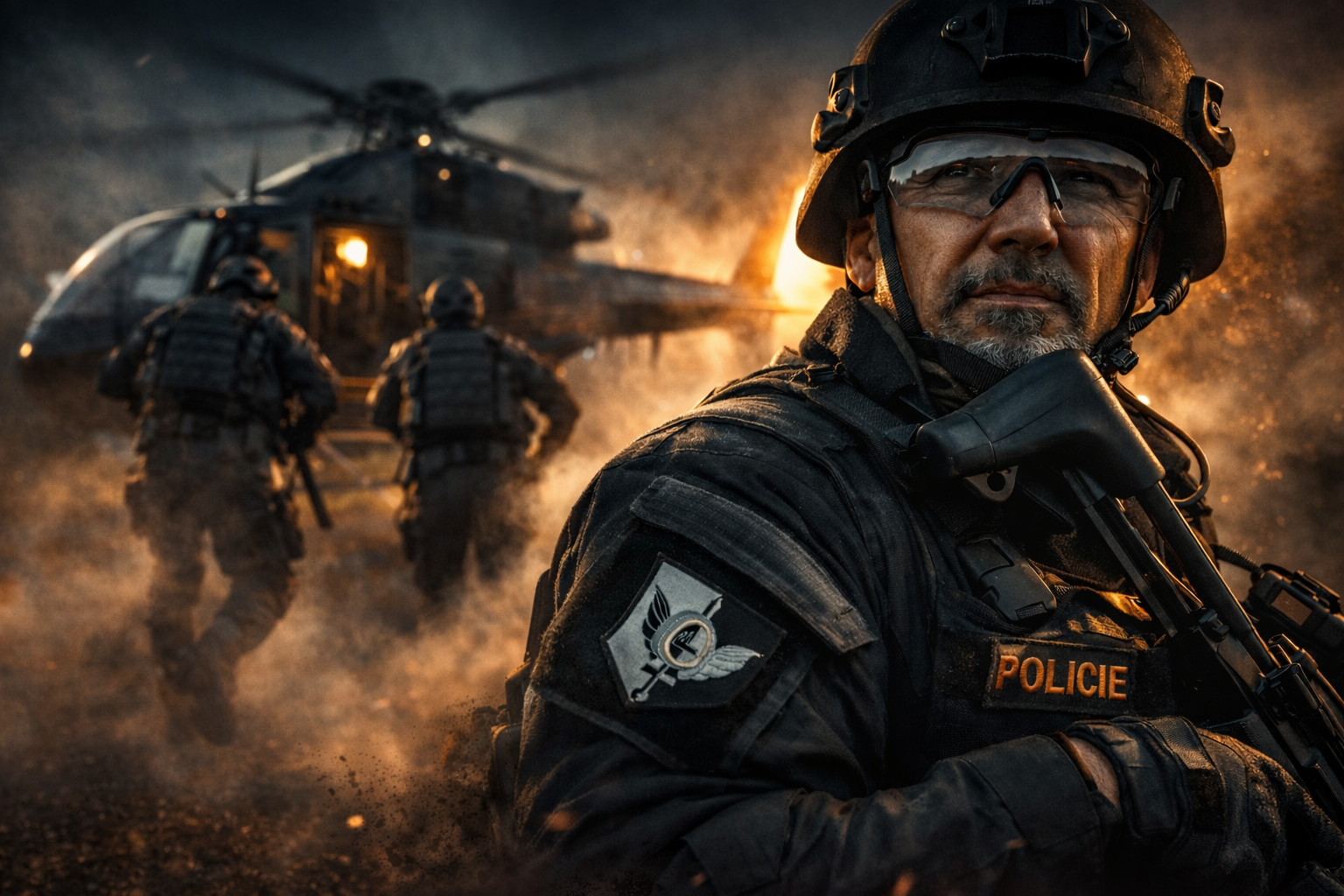
It is not an aesthetic supplement. It is not a technical parameter. It is not a method of producing a beautiful photograph.
Light determines meaning.
It determines where the viewer looks first. It determines which parts of the image carry weight and which recede into the background. It determines whether a person appears open or inaccessible. Calm or dominant. Approachable or authoritative.
The same face, in two different light situations, can read as the founder of a successful company or as someone who came to stand in front of a camera.
The difference does not lie in the person. It lies in the construction of the image.
This is precisely why, in high-level commercial production, the question is not only who stands in front of the lens. The primary question is what conditions were created for the resulting image to come into being.
The Value of an Image Is Measured Differently Than the Number of Photographs
Many people still judge photography by technical quality, sharpness or the quantity of images delivered.
In a commercial context, this is a secondary metric.
The real value of a photograph lies in what it is capable of producing.
Can it increase trust? Can it support authority? Can it raise the perceived value of a product? Can it convince a customer that a brand knows what it is doing? Can it stop attention in an environment where most content disappears immediately?
If so, it has fulfilled its purpose.
This is why the strongest images are not always the most complex. They are often relatively simple photographs underpinned by extraordinarily precise preparation.
The viewer sees the result. They do not see the dozens of decisions that preceded it.
And that is where the real production work lies.
Naturalness Does Not Arise by Chance
The most natural photographs are paradoxically the result of the highest degree of control.
Not control of the person. Control of the process. Control of the light. Control of the space. Control of the composition. Control of the atmosphere.
When each of these elements is built correctly, the person stops thinking about how they look. They stop managing their own image. They stop performing a role.
And that is when photographs are made that do not look like photographs. They read as genuine moments.
That is why a strong image does not begin with the question of where to put the hands. It begins much earlier — in the moment when decisions are made about light, space, meaning and the purpose of the entire production.
Because a person does not need to look perfect to appear convincing. They need to be believed.
And credibility is not a property of a pose. It is a property of an image that has been correctly built.
Nezávazná poptávka — zaslání briefu (produkční řešení do 2 pracovních dnů). Ozvěte se nám →
Freemason.cz
Premium production studio Prague — commercial photography, tactical production, fashion editorial and scenic production. White-label, full rights transfer.