Introduction to Triple Planning
In the modern digital world, it is essential for visual elements to be consistent and effectively communicate across various media. Whether it is the web, print, or social media, each channel has its specific requirements that must be considered during the preproduction phase. Freemason.cz focuses on crafting an image that can meet the demands of all these platforms without compromising on quality or intent. In this article, we explore the process of planning a single image that can be effectively used for the web, print, and social media.
Preproduction as the Foundation of Success
The first step in creating an image that will work well across different platforms begins with a thorough preproduction phase. This phase is crucial for defining the lighting, space, composition, and overall intent of the shot. Imagine a scenario where a client requires a product photograph to be used on a website, in a printed catalog, and on social media. Each of these media has different technical specifications and audiences, which must be kept in mind.
For example, for the web, it is important that the image is optimized for fast loading, which means compression without loss of quality. Conversely, print requires high resolution for detailed display. Social media prefers formats that are visually engaging and easily shareable. In the preproduction phase, it is necessary to determine which format, resolution, and composition will best meet all these requirements.
Lighting and Composition as Tools of Unity
Lighting and composition are essential elements that can influence the consistency and effectiveness of an image across different platforms. When planning a single image for use in multiple media, it is important to choose a lighting scheme that adapts to all formats. For instance, soft, diffused lighting might be ideal for the web, where quick readability and visual appeal are crucial. However, this light must be strong and balanced enough to allow print media to capture all details without highlights and loss of contrast.
Composition must be designed to be universal. Consider a product photographed from an angle that allows easy editing for different formats without losing intent. The choice of angle, background, and accessories in the shot should be thought out so that they are easily adaptable for various aspect ratios and sizes.
Technology and Tools for Flexibility
Today, we have a range of tools and technologies that allow us to effectively adapt a single image to different requirements. For example, photo editing software provides tools for resizing, resolution adjustment, and color optimization, which is key to ensuring consistent quality across platforms.
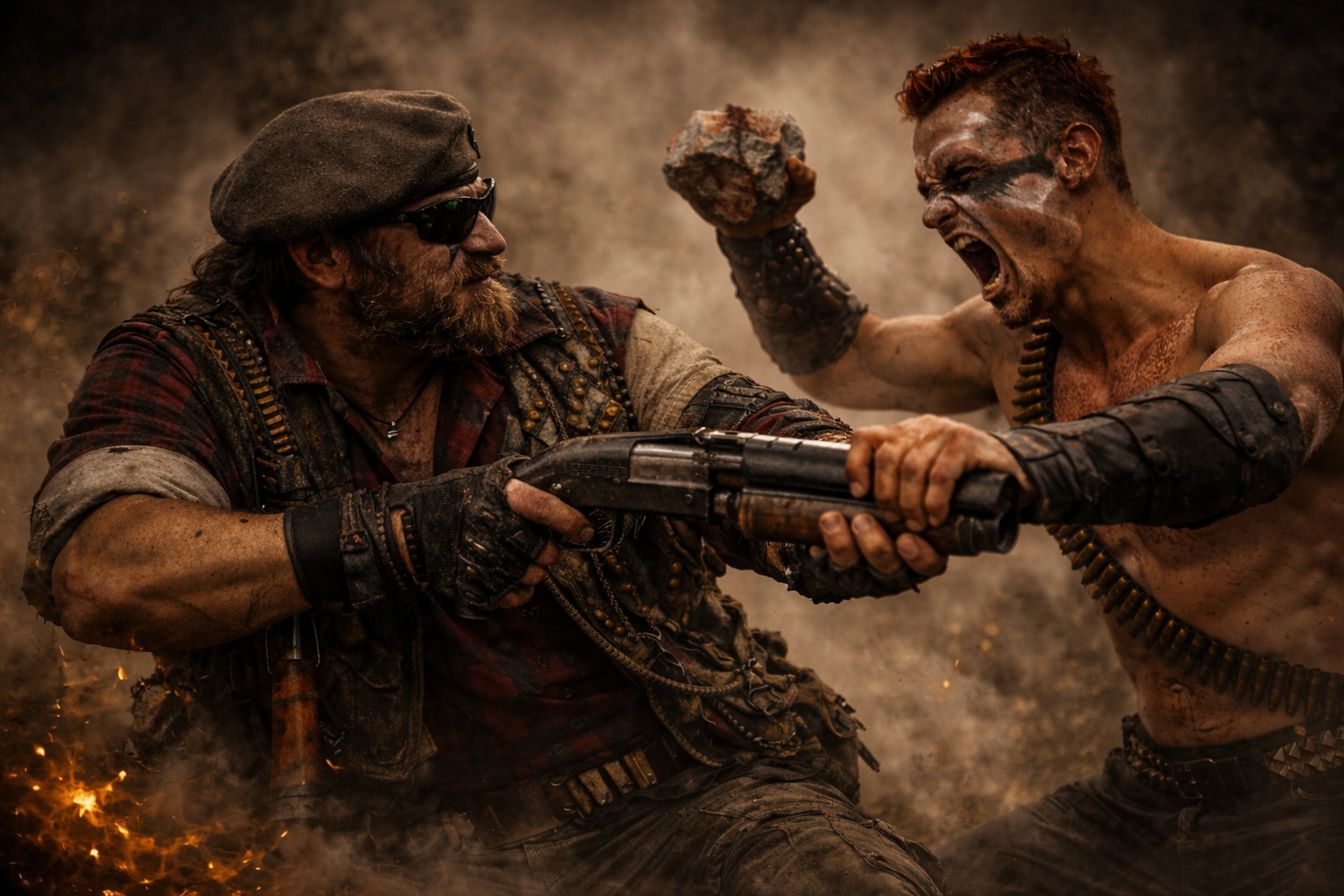
When planning an image for multiple media, it is also important to ensure that the source file is created in the highest possible quality. This means using professional equipment such as high-resolution cameras and lenses that minimize distortion. Higher quality source material makes it easier to make subsequent adjustments for different platforms without losing detail or sharpness.
Practical Example
Imagine Freemason.cz is executing a campaign for a luxury watch manufacturer. The goal is to create an image that will be used on the brand's website, in a printed magazine, and on Instagram. Preproduction involves detailed planning of the lighting so that the watch stands out both on the web and in print, while social media requires an attractive and stylized look to catch attention.
The lighting is set to highlight the texture and material of the watch, which is crucial for print media. The composition is chosen with consideration for cropping and adjustments for different media. For example, Instagram requires a square format, while a print magazine may prefer a larger detailed shot. This flexibility is achieved through detailed planning and the use of technology that allows easy adaptation of the image without losing quality.
Postproduction as Completion, Not Replacement
Postproduction is a key step that allows final adjustments to the image for individual media. In this phase, it is important to adhere to the original intent and ensure that adjustments do not exceed the boundary where they could disrupt the original quality or visual language. While some adjustments, such as resizing or color optimization, are necessary, it is crucial to maintain control over the intent and atmosphere that were defined in the preproduction phase.
For example, when editing an image for social media, it may be necessary to increase the contrast or saturation of colors to make the image stand out on a smaller screen. Print media may require adjustments to ensure that details and subtle shades are preserved even at higher resolution. The web version must then be optimized for fast loading without compromising visual appeal.
Planning an image for multiple media is a complex process that requires strategy, technology, and careful control over every aspect of production. Freemason.cz focuses on crafting an image that is not only visually attractive but also functional across different platforms. This approach ensures that clients receive the value and efficiency they expect from a premium production studio.
Nezávazná poptávka — zaslání briefu (produkční řešení do 2 pracovních dnů). Ozvěte se nám →
Freemason.cz
Premium production studio Prague — commercial photography, tactical production, fashion editorial and scenic production. White-label, full rights transfer.