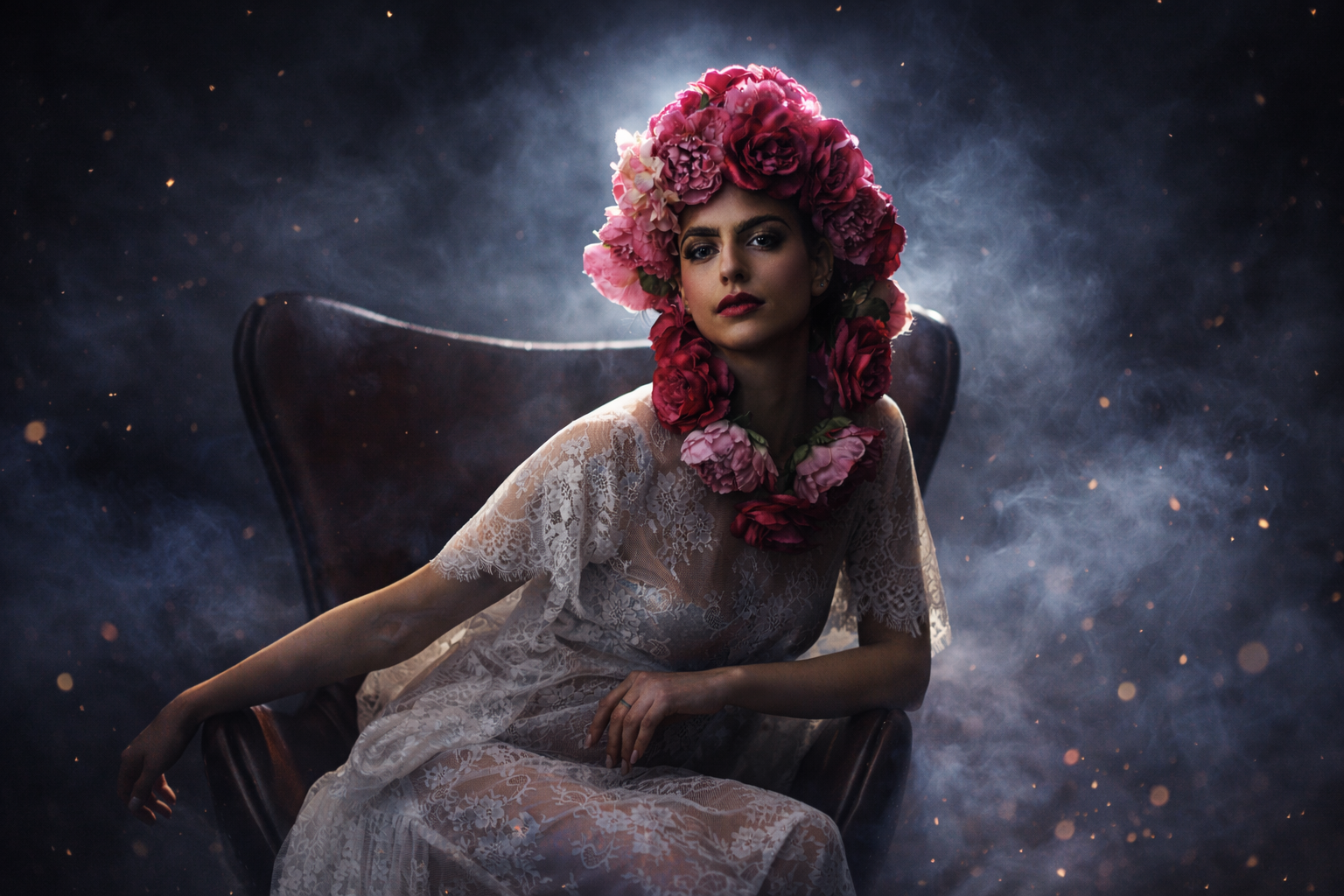
Layering in fashion editorials is not merely an aesthetic tool but a crucial element that shapes the overall impression and enhances the value of visual production. Its significance lies in the ability to create depth, dynamics, and complexity in the image, which is essential for achieving the desired effect. In this article, we focus on specific strategies and decisions that lead to successful layering and thus influence the final outcome of an editorial.
Space as Part of the Meaning
The space where a fashion editorial takes place is not just a backdrop but an active part of the story. Proper use of space can dramatically affect the overall visual impression and contribute to storytelling. Layering space includes not only physical elements such as backgrounds and objects but also intangible elements like light and shadows.
For example, during a fashion editorial production in a historic building, we intentionally used natural light streaming through large windows. This created layers of light and shadow that added a dramatic effect to the image and deepened the atmosphere. In this way, we achieved not only visual appeal but also strengthened the story unfolding within the given space.
In another project where we worked with modern minimalist design, it was crucial to maintain the purity of lines while creating depth. We achieved this by layering transparent materials that reflected light and added another dimension to the overall aesthetic impression.
Control Over Light
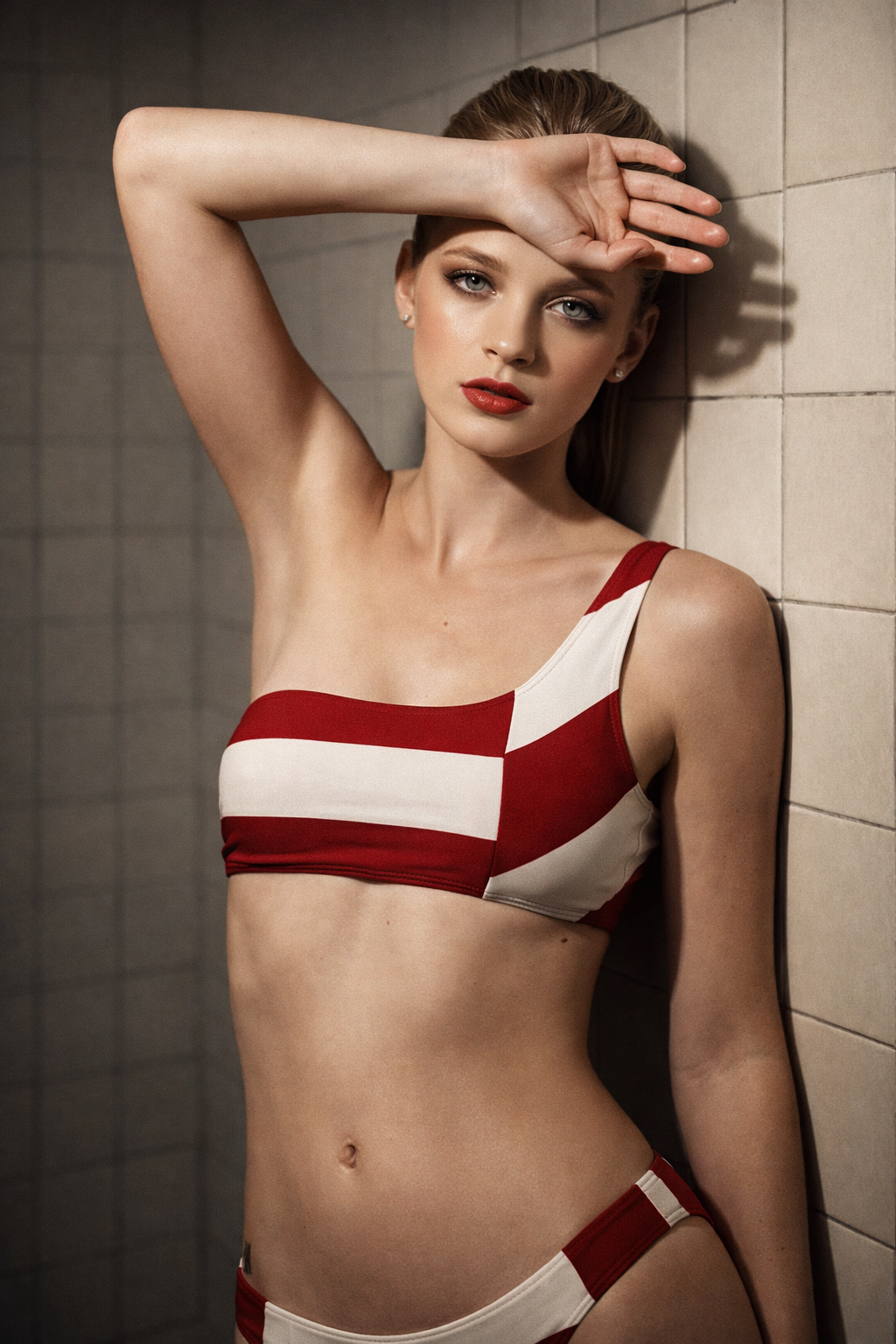
Light is not just a tool but a key element that determines the character of the entire editorial. Layering light and shadow can dramatically change the mood and atmosphere of the image. Control over light involves not only its direction but also its intensity and color, allowing for various emotional reactions from the viewer.
In one of our productions, we used a combination of cold and warm lighting to create contrasting layers that highlighted the textures of the clothing and models. This emphasized details that might otherwise go unnoticed. This approach not only added visual interest but also strengthened the brand for which we were creating the editorial by showcasing its products in a new light.
In another case, we faced the challenge of limited natural light indoors. We opted for using spotlights with diffusers to create soft, even lighting that provided gentle shadows and emphasized the overall elegance and sophistication of the editorial.
The Role of Textures and Materials
Textures and materials play a critical role in the layering process. The choice of suitable fabrics and their combination can significantly affect the final output and its ability to communicate with the viewer. Layering different textures adds visual depth and complexity, which is often key to the success of a fashion editorial.
In one production for a luxury brand, we experimented with layering silk and cashmere, creating a rich and luxurious impression. Through a clever combination of materials, we achieved a visual effect that emphasized the exclusivity of the brand and its products.
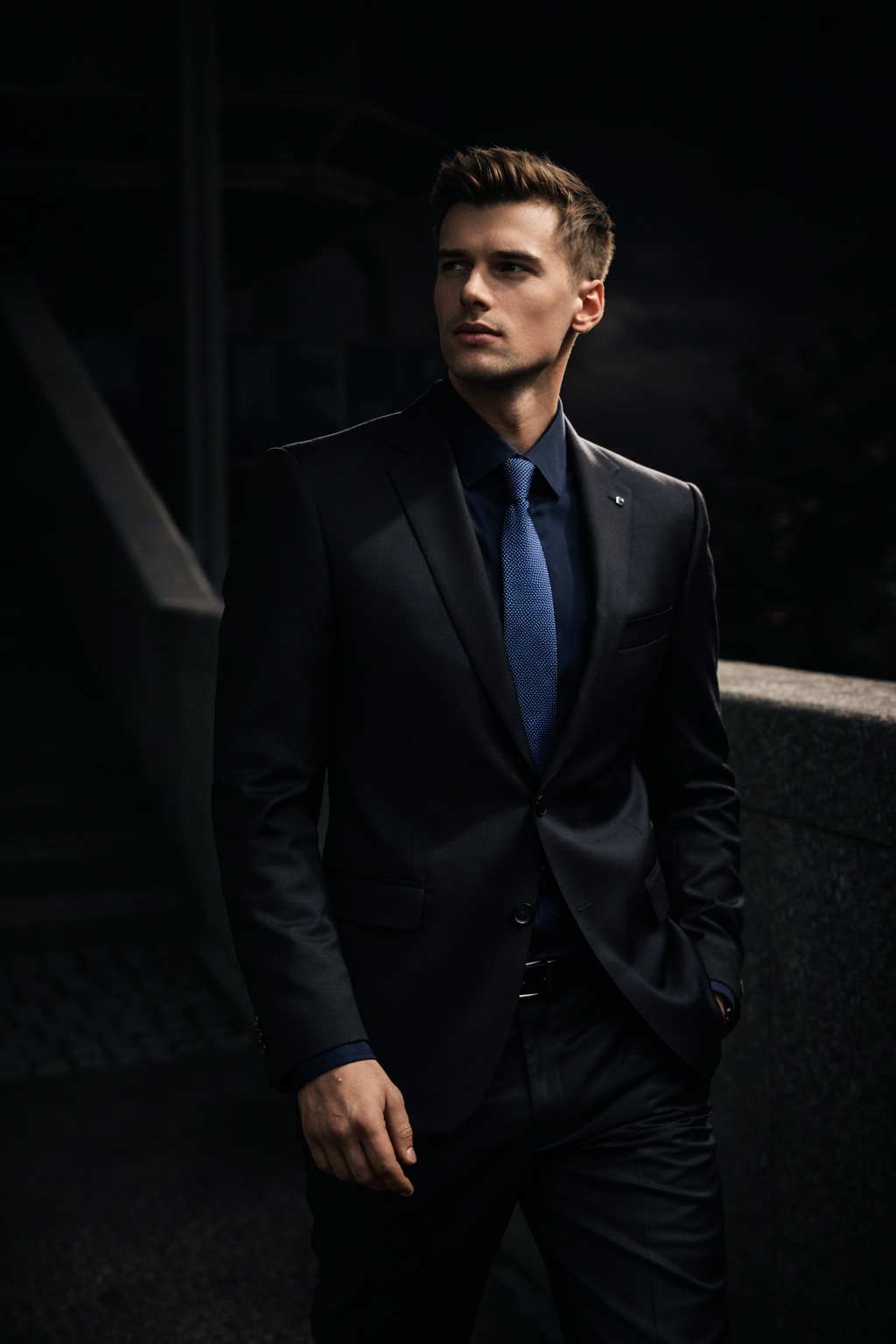
Another project required the use of technical fabrics to emphasize the futuristic aspect of the collection. Layering these materials, along with reflective surfaces, created a dynamic and modern look that aligned with the client's vision.
Strategic Decisions in Preproduction
Layering is decided even before the first shot in the preproduction phase. Here, it is determined what elements will be used, how they will be layered, and what their purpose will be. This process requires strategic thinking and the ability to anticipate how individual components will affect the final result.
In a project for a fashion designer where movement was a key concept, we decided to use layering of lightweight fabrics, which, combined with wind effects, created illusions of fluidity and movement. This choice was the result of careful analysis and planning in the preproduction phase.
Another project focused on sustainability required layering of recycled materials. Here, we chose layering that not only supported the ecological story but also visually enriched the final image.
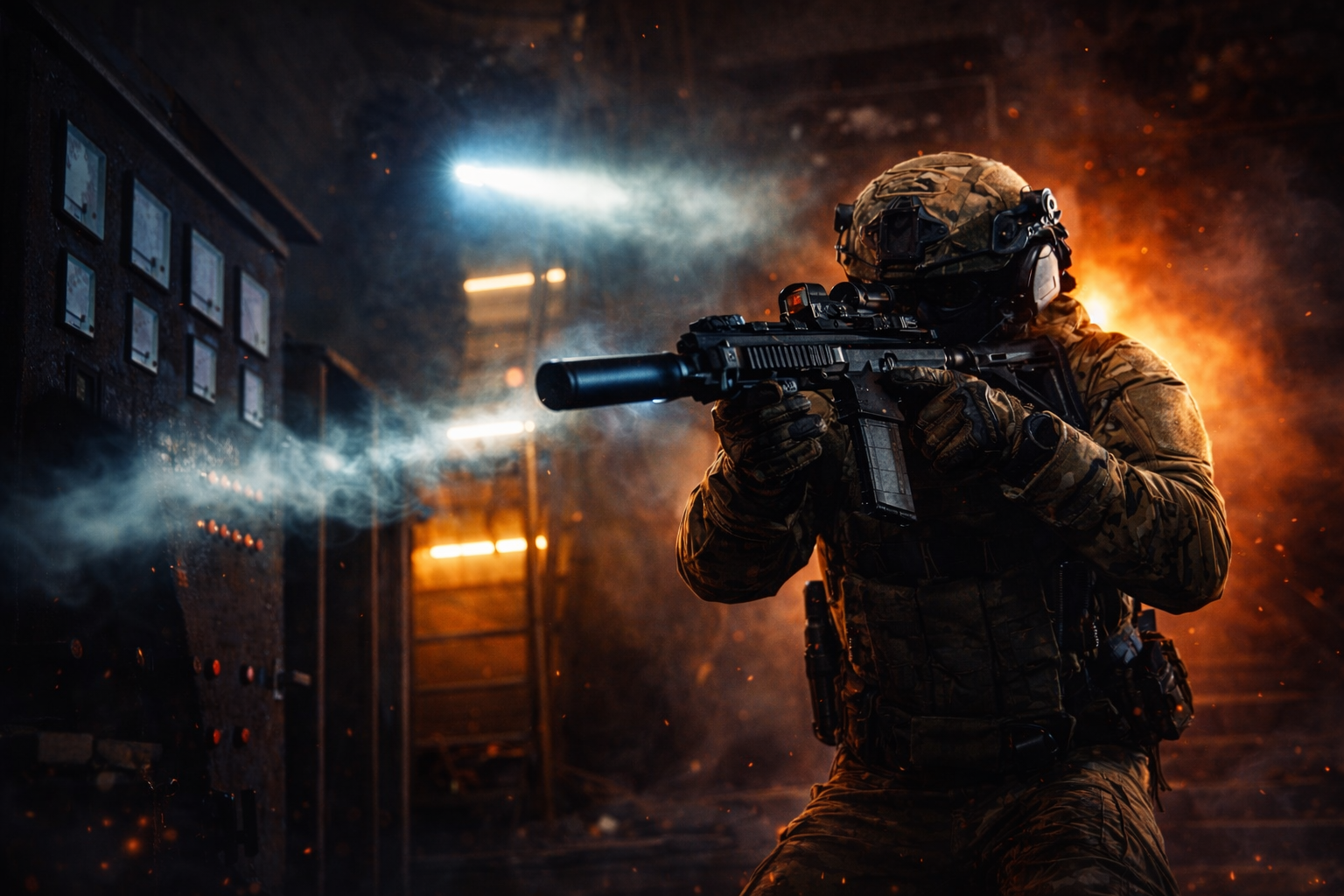
From practice: During the production of a fashion editorial for [region], [segment] — NDA, we faced the challenge of a limited budget and time. We decided to utilize available natural locations that provided impressive backdrops without the need for costly decorations. The result was not only aesthetically impressive but also cost-effective.
The Business Impact of Layering
Successful layering in fashion editorials can have a significant impact on business results. When an image is carefully assembled, it appears credible and trustworthy, which increases the perceived value of the brand and its products. This can lead to higher sales and a strengthened market position.
For example, during a production for a fashion brand that wanted to emphasize its innovativeness, we utilized layering of technical materials and futuristic elements. This approach not only attracted the attention of the target audience but also increased sales by 20% in the following quarter.
In another case, effective layering helped a client present a new product in the context of its use, leading to an immediate increase in interest and positive media coverage. The result was not only increased brand awareness but also a significant growth in sales.
Layering in fashion editorials is therefore more than just an aesthetic element. It is a strategic tool that contributes to achieving business goals and enhances the value of visual output. When done correctly, it brings results that go beyond mere visual impression and have a real impact on the success of the brand.
Nezávazná poptávka — zaslání briefu (produkční řešení do 2 pracovních dnů). Ozvěte se nám →
Freemason.cz
Premium production studio Prague — commercial photography, tactical production, fashion editorial and scenic production. White-label, full rights transfer.